
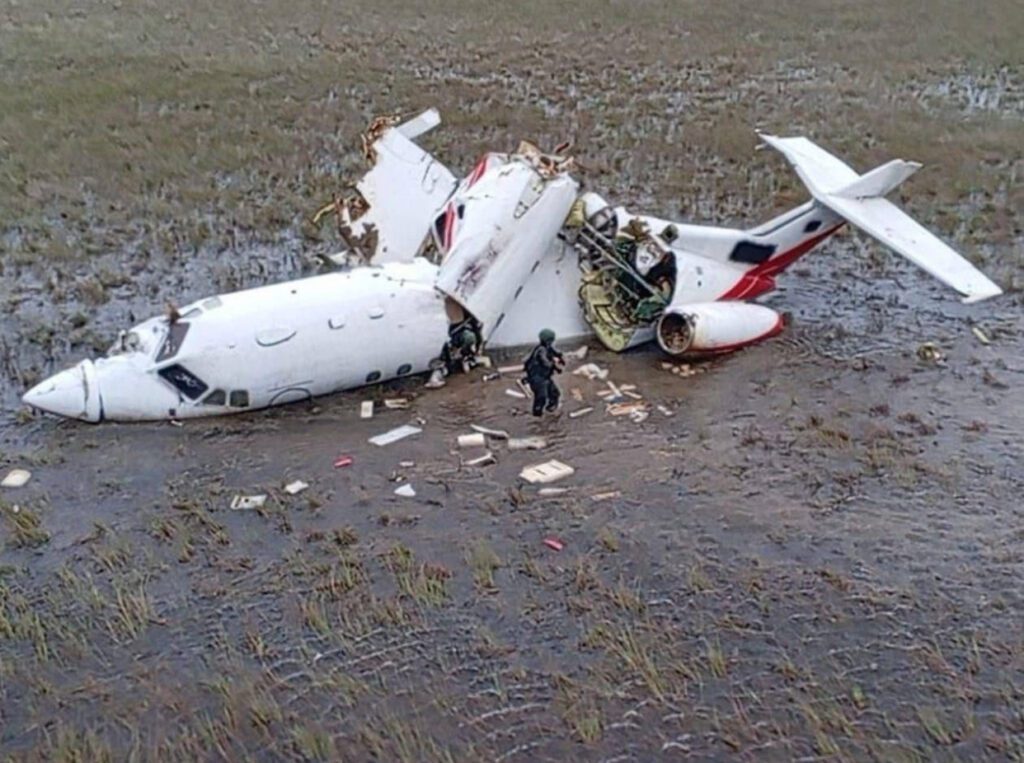
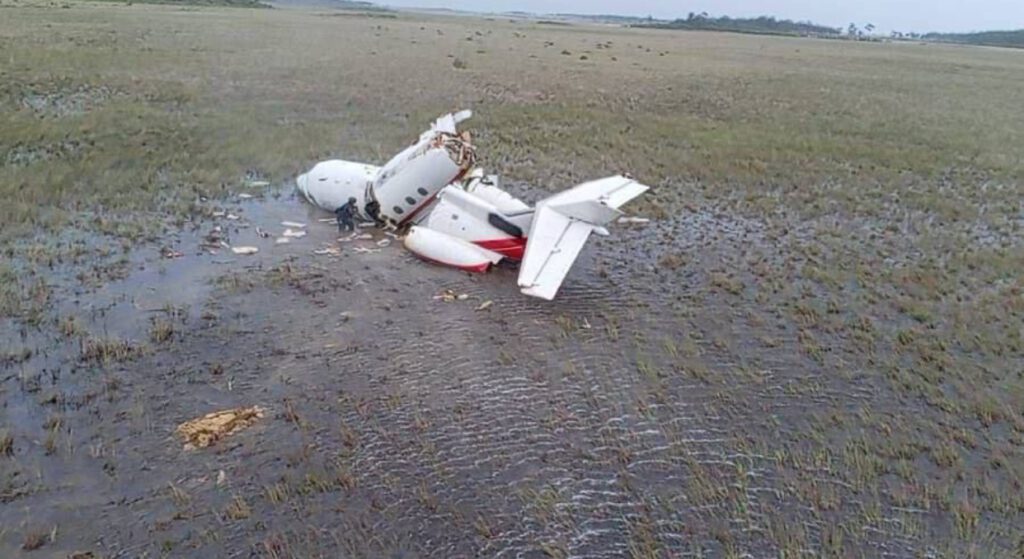
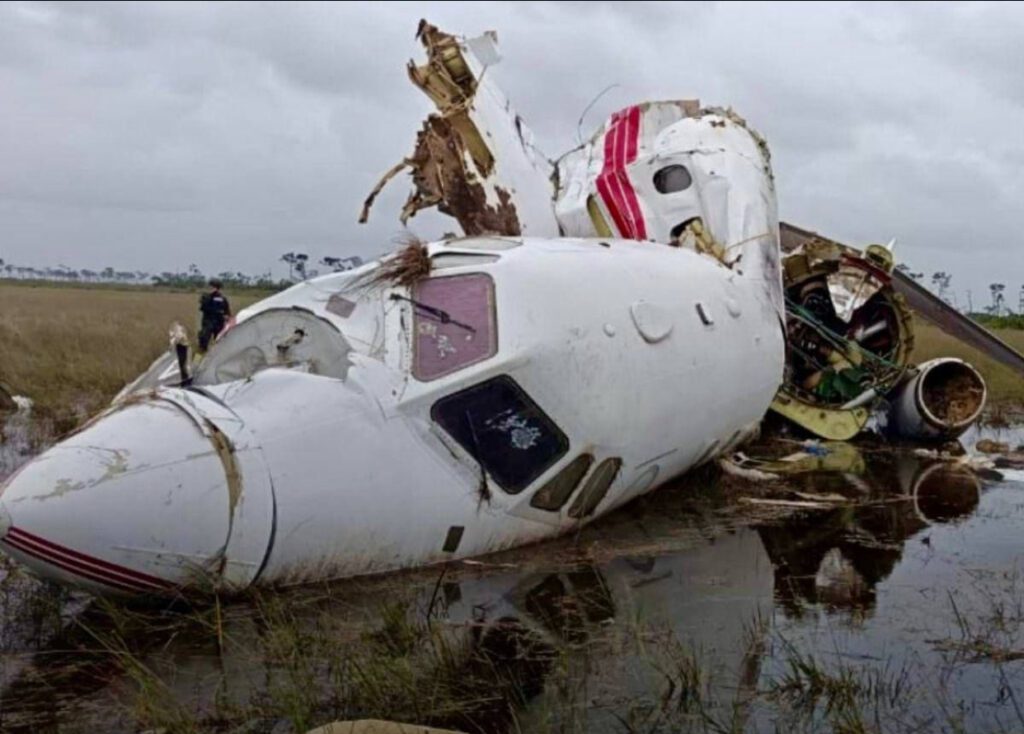
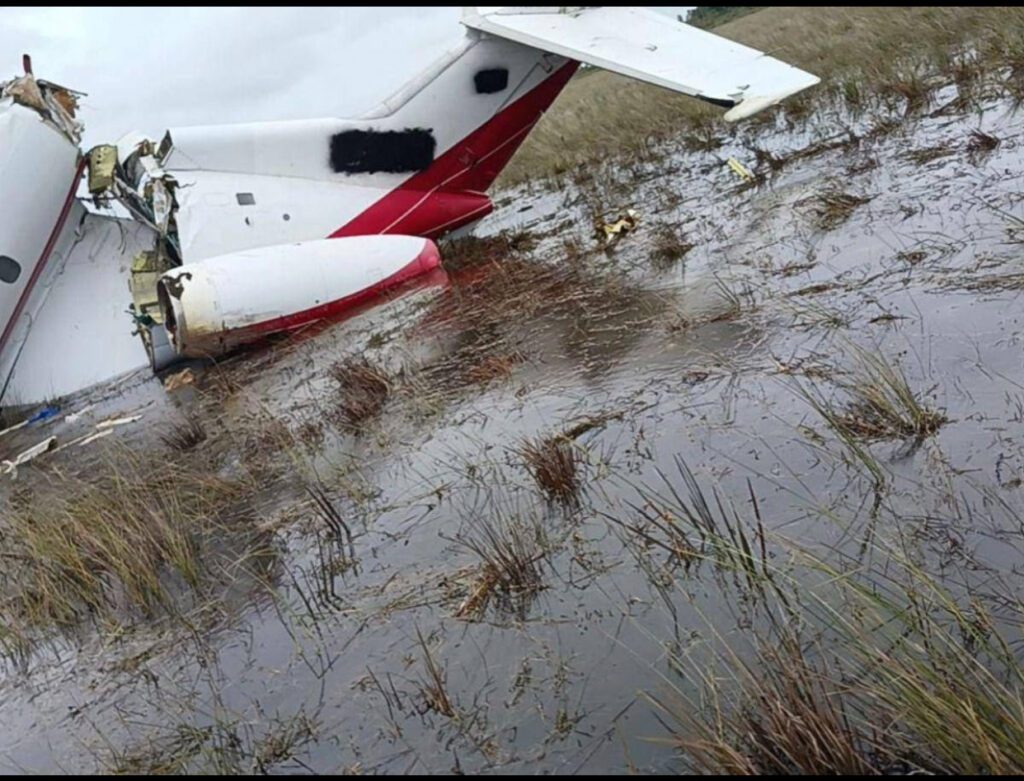

In a devastating aviation incident, a British Aerospace BAe-125-700A private jet registered in Venezuela crashed near Toncontín International Airport (TGU) in Tegucigalpa, Honduras, on Wednesday, July 3, 2025.
The jet, a twin-engine business aircraft, was on a private flight from Venezuela to Honduras when it encountered trouble during the approach phase. It reportedly crashed into a mountainous area near the capital, resulting in a fiery wreck and a tragic loss of life.
Aircraft and Flight Details
- Aircraft Type: British Aerospace BAe-125-700A
- Registration: Venezuelan-registered (exact registration number undisclosed as of now)
- Engines: 2 × Honeywell TFE731-3R turbofans
- Passenger Capacity: Typically 6–8 passengers
- Occupants on Board: 7 (4 passengers + 3 crew members)
- Crash Site: Near Tegucigalpa, Honduras (approx. 8 km from Toncontín Airport)
- Date of Crash: 03 July 2025
Sequence of Events: What We Know So Far
According to preliminary reports from Honduran aviation authorities and eyewitnesses:
- The aircraft attempted to land around 10:26 AM local time.
- Weather conditions were partially cloudy with low visibility, typical for the mountainous terrain surrounding Toncontín, one of the world’s most challenging airports for pilots.
- ATC (Air Traffic Control) lost contact with the flight moments before the crash.
- The aircraft was later located in a forested slope northwest of the airport engulfed in flames.
Casualties and Rescue Efforts
- Fatalities: 6 confirmed dead
- Survivors: 1 survivor (rescued from wreckage with severe burns and multiple fractures; currently in critical condition at a Tegucigalpa hospital)
- Rescue Response: Honduran military, fire brigade, and emergency services responded swiftly, reaching the crash site within 40 minutes.
Rescue efforts were hampered by difficult terrain and intense fire at the scene.
Investigations Underway
The Dirección General de Aeronáutica Civil de Honduras (DGAC) has launched a full investigation in cooperation with Venezuelan aviation authorities. The cockpit voice recorder (CVR) and flight data recorder (FDR) are being recovered for analysis.
Potential causes under investigation include:
- Navigational error due to poor weather and challenging terrain
- Possible technical malfunction or engine failure
- Human factors during the final approach
An interim report is expected within 30 days.
About the BAe-125-700A
The British Aerospace 125, particularly the 700A variant, is a mid-size twinjet originally produced by Hawker Siddeley and later British Aerospace. It has been widely used for business aviation since the 1980s and is known for its long-range, high-speed performance.
- Cruising Speed: 747 km/h (464 mph)
- Range: 4,000 km (2,485 miles)
- Service Ceiling: 41,000 ft
While the aircraft type has a reliable track record, its performance in mountainous or high-altitude environments requires precise handling and familiarity with complex approaches.
Aviation Safety Concerns Raised Again
This tragic Honduras aircraft crash has once again raised questions about the safety of approaches to Toncontín International Airport, which is listed among the world’s most dangerous airports due to:
- Short runway length (2,021 meters)
- Mountainous terrain surrounding the airport
- High density of urban housing close to the runway
Several accidents have occurred in this region over the decades, including a TACA Flight 390 crash in 2008, which killed five people.
Final Thoughts
As the world mourns the lives lost in the BAe-125-700A crash in Honduras, aviation authorities are focused on finding the root causes and preventing future tragedies. This accident underscores the importance of pilot training, terrain awareness, and strict maintenance standards—especially when operating in difficult topographies.
We will continue to update this post as more official information becomes available.