✈️ Preliminary Causal Analysis Indicates Dual Engine Flameout Triggered by Manual Fuel Shutoff
🧭 Executive Summary – Accident Synopsis
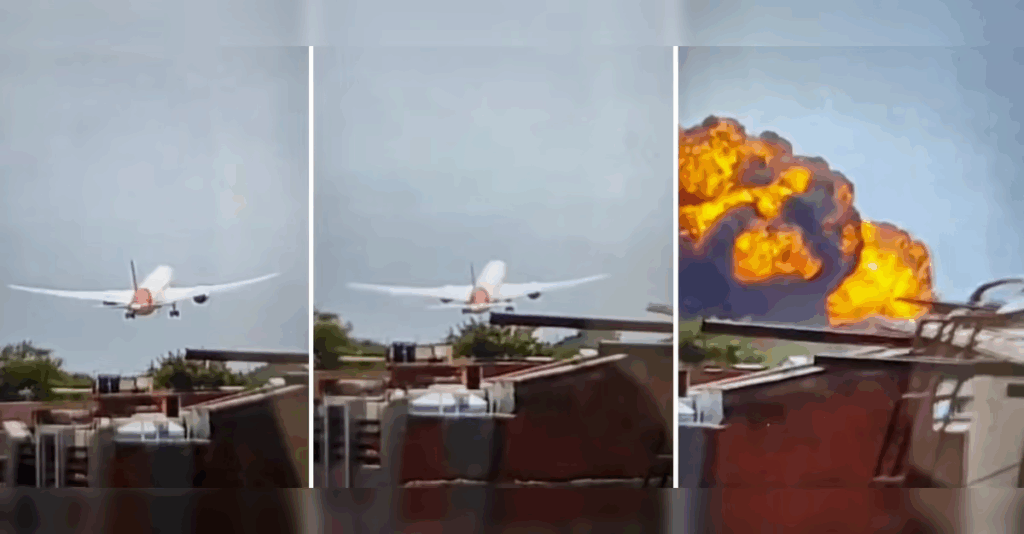
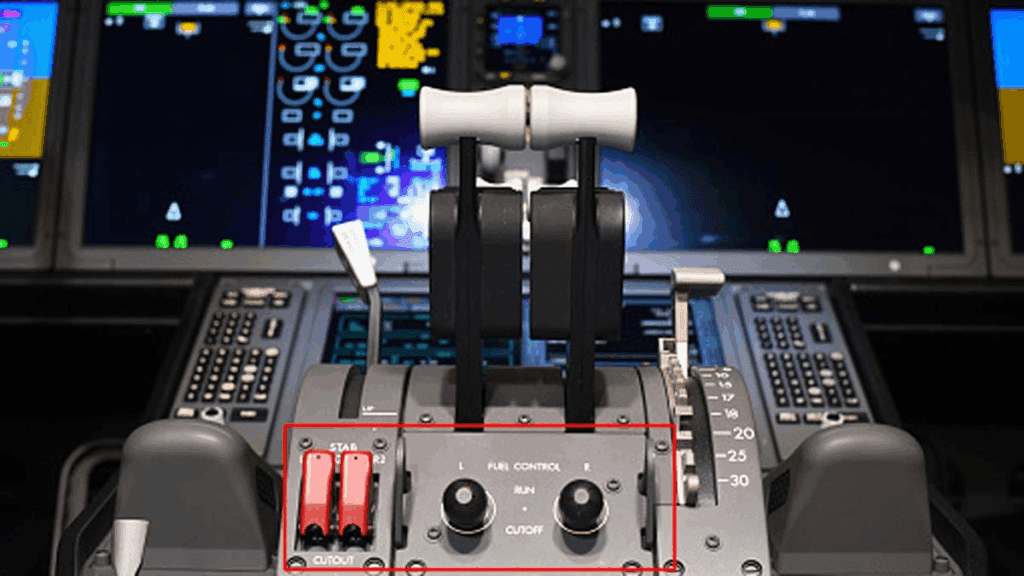
On June 12, 2025, Air India Flight AI171, operating a Boeing 787-8 Dreamliner powered by GE GEnx-1B engines, crashed shortly after takeoff from Ahmedabad Airport (VAAH). The Aircraft Accident Investigation Bureau (AAIB) released its Preliminary Accident Report on 11 July 2025, confirming that both engine fuel control switches were manually moved to “CUTOFF” within 3 seconds of rotation, causing simultaneous dual engine flameout just after takeoff.
🔧 Key Technical Findings (AAIB Preliminary Report)
- Engine Shutdown Mechanism
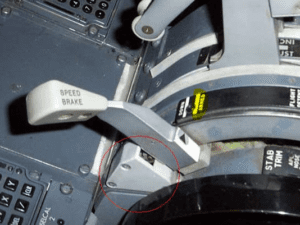
Both ENG FUEL CONTROL switches were transitioned from RUN to CUTOFF in under one second, a sequence that is not possible through system malfunction, according to Boeing and AAIB. - Non-Spontaneous Activation
These switches are guarded toggle types, designed to prevent accidental engagement. Investigators ruled out inadvertent contact due to cockpit ergonomics and flight phase. - Cockpit Voice Recorder (CVR) Insights
Audio captured a brief exchange indicating surprise and confusion over engine flameout. One crew member questioned the fuel cutoff; the other denied initiating it. A mayday was transmitted before engine relight occurred, but altitude loss made recovery impossible. - No Aircraft System Malfunctions Found
Flight Data Recorder (FDR) and maintenance logs confirm that all critical aircraft and engine systems were operating nominally up to the moment of shutdown. No faults were logged in the FADEC, EICAS, or hydraulic/autopilot systems. - Partial Power Recovery Not Sufficient
Although one engine reportedly relit seconds before impact, altitude and energy loss rendered recovery unachievable.
🧑✈️ Human Factors Under Scrutiny
- The core of the ongoing investigation now centers on cockpit human-machine interaction and pilot intent or error. Analysts are examining:
- Possible checklist confusion during initial climb.
- Crew resource management (CRM) failures.
- Theoretical malicious or compromised behavior (no evidence confirmed yet).
- Training gaps specific to fuel switch protocols under abnormal operations.
🔍 Next Steps in the Final Report
- Human performance analysis: Detailed assessment of crew mental state, communication, and procedural adherence.
- Switch design review: While Boeing’s switch design meets regulatory safety standards, redesign suggestions may emerge if crew interaction is proven error-prone.
- Regulatory implications: India’s DGCA and global aviation authorities may mandate operational or training changes based on final conclusions.