Aircraft maintenance and ground handling involve multiple access panels and service doors. These panels—ranging from external power receptacle doors to water service and avionics bay doors—are crucial for aircraft operations. But what happens if ground crew or maintenance personnel forget to close a service door before departure? In commercial jets like the Boeing 777, Airbus A330, or even smaller aircraft, an unsecured service panel can lead to serious operational hazards, safety concerns, and costly delays.
In this article, we’ll explore the consequences of forgetting to close aircraft service doors, the most commonly used access panels, and best practices to prevent such oversights.
Common Aircraft Service Doors & Panels
Aircraft are equipped with numerous panels and doors that provide access for inspection, servicing, and maintenance. Some of the most common service panels on large commercial aircraft include:
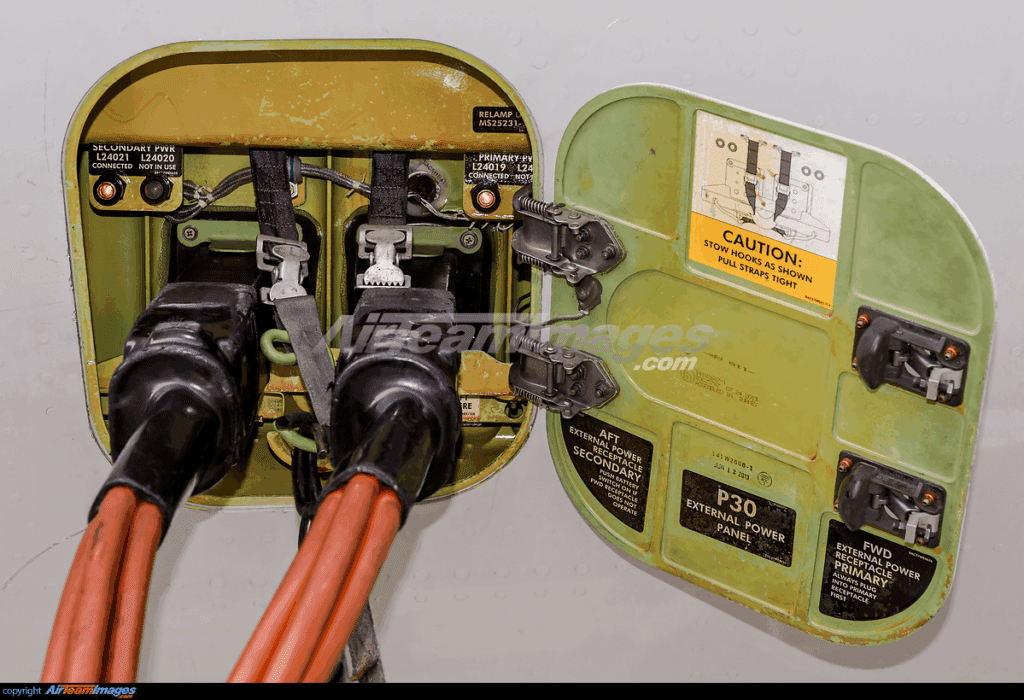
- External Power Panel (AC/DC ground power receptacle door)
- Potable Water Service Panel
- Lavatory Service Panel
- Hydraulic Servicing Panel
- Avionics Bay Access Door
- Fuel Panel (Refueling/Defueling Access)
- Air Conditioning Service Panel
- Oil Service Door
- Ram Air Turbine (RAT) Access Panel
- Landing Gear Inspection Door
- Cargo Compartment Service Panel
- Electronic Equipment Bay Access
On aircraft like the Boeing 777 and Airbus A330, these panels are usually marked and referenced in the Aircraft Maintenance Manual (AMM) and Ground Handling Manual (GHM).
Consequences of Forgetting to Close Aircraft Service Panels
Failing to secure or properly latch an aircraft panel can lead to a range of safety, operational, and financial consequences. Below are some of the most serious risks:
1. In-Flight Structural Damage
If a service door is not secured, it may detach during flight due to aerodynamic forces. This can cause:
- FOD (Foreign Object Damage) to the fuselage or wing.
- Engine ingestion of detached panel material.
- Cabin pressurization issues if near a pressure vessel.
2. System Malfunctions
Some panels protect critical systems like avionics, electrical wiring, or hydraulic lines. An open panel can:
- Allow water or debris ingress, leading to short circuits.
- Trigger electrical faults or sensor anomalies.
- Disrupt hydraulic pressure or fluid levels.
3. Ground Damage During Taxi or Takeoff
An unsecured access door may flap or hang down, causing:
- Contact with ground equipment.
- Striking taxiway lights or runway surfaces.
- Damage to gear or brake components.
4. Cabin Service Failure
If water or lavatory service panels are left open or improperly sealed:
- Water may not flow to galleys or lavatories, impacting passenger experience.
- Waste may leak, posing sanitation hazards.
5. Delays, Diversions, or Emergency Landings
In some cases, open panels are discovered after takeoff, leading to:
- In-flight return (IFR) or rejected takeoff (RTO).
- Emergency landings or aircraft change.
- Regulatory reporting and aircraft grounding.
6. Regulatory and Compliance Issues
According to ICAO, EASA, and CASA (Australia) regulations, airlines must ensure aircraft are airworthy and all external doors are secured. Non-compliance can result in:
- Penalties or fines.
- Mandatory inspections.
- Damage to airline reputation and trust.
Real-World Incidents
There have been multiple reported cases where service panels like avionics bay doors or lavatory access panels were left open:
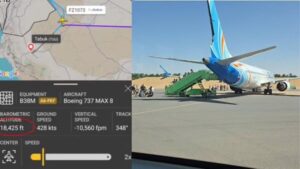
- A Boeing 737 in 2018 had to return to the gate after a ground crew forgot to close the external power panel, triggering an EICAS message.
- An A330 in 2021 experienced system warnings mid-flight due to an unsecured hydraulic bay door, leading to a precautionary landing.
Best Practices to Prevent Oversights
To ensure service panels are properly secured before every flight, airlines and AMEs (Aircraft Maintenance Engineers) should:
- Use a standardized checklist for all ground and line maintenance procedures.
- Follow the Aircraft Maintenance Manual (AMM) torque and closing instructions.
- Visually inspect and verify all access doors are latched and flush with the fuselage.
- Document each panel closure in the technical logbook when required.
- Implement double-check systems for critical panels during A-checks and B-checks.
- Train ground handlers on recognition of panel positions and lock indicators.
Final Thoughts
While aircraft service panels may seem minor compared to engines or avionics, their proper handling is crucial for safety and airworthiness. Leaving a service door like the external power receptacle panel or water service hatch open can cause significant mechanical issues, flight delays, and safety incidents.
Whether you’re maintaining a Boeing 777, Airbus A330, or a regional jet, attention to detail with access panels is non-negotiable. Safety in aviation starts with small actions—closing a door, securing a latch, and confirming it twice.
By Aeropeep Team