
If you’ve flown before, you’ve probably noticed flight attendants politely asking passengers to open their window shades during takeoff and landing. Many travelers assume it’s just a routine request or even a quirky airline rule, but in fact, there are very practical safety reasons behind this instruction.
In this article, we’ll explore why airlines insist on open window shades, the role it plays in aviation safety, and how it benefits both passengers and crew.
1. Enhancing Safety During Critical Phases of Flight
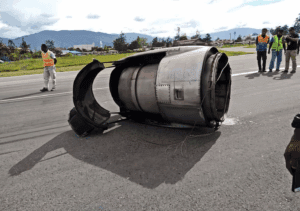
Takeoff and landing are considered the most critical phases of flight, accounting for the majority of aviation incidents worldwide. By keeping the window shades open, passengers and crew can quickly spot external hazards, such as fire, smoke, debris, or fuel leaks.
If an evacuation is necessary, having visibility outside allows flight attendants to assess which exit routes are safe to use. For example, if flames are visible on one side, they can direct passengers to the opposite exits immediately.
2. Helping Your Eyes Adjust to Natural Light
Imagine if the cabin were dark while outside it’s bright daylight. In the event of an emergency evacuation, passengers’ eyes would take precious seconds to adjust once they step outside. Keeping window shades open allows your eyes to naturally adapt to the outside lighting conditions, whether it’s bright sunlight or nighttime darkness illuminated by runway lights.
This small step ensures everyone is visually prepared in case of a sudden evacuation.
3. Supporting Cabin Crew’s Situational Awareness
Flight attendants are trained to monitor passenger safety constantly. Open window shades give them an extra set of “eyes” around the aircraft. Not only can they see outside themselves, but passengers may also alert crew to something unusual.
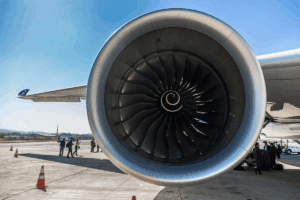
For instance, passengers have reported engine sparks, ice buildup on wings, or leaking fuel, all of which could be critical for the flight crew to know.
4. Regulatory and Safety Compliance
Aviation regulators like the Federal Aviation Administration (FAA) and the European Union Aviation Safety Agency (EASA) encourage procedures that maximize safety during emergencies. While not always a strict law, most airlines have included the open-window-shade rule in their Standard Operating Procedures (SOPs).
This simple habit enhances evacuation readiness and complies with global best practices in aviation safety.
5. Psychological Comfort for Passengers
Beyond safety, there’s also a psychological reason. Passengers tend to feel more comfortable and less claustrophobic when shades are open, as they can see the outside world. It also provides a sense of orientation — knowing whether the aircraft is climbing, descending, or taxiing.
Conclusion
So next time you hear, “Please open the window shade for takeoff and landing,” know that it’s not just a formality. It’s a life-saving precaution designed to keep you and everyone on board safer.
By opening the shades, passengers help the crew monitor outside conditions, allow their eyes to adjust to natural light, and ensure the quickest possible evacuation if needed.
It’s a small action with a big impact on safety—and now you know the real reason behind it.
By Aeropeep Team