Fuel planning is one of the most carefully controlled aspects of airline operations. For every flight, the quantity of fuel must be sufficient to reach the destination, cope with unexpected conditions, and comply with international safety standards. This is not left to chance. Airlines follow a structured process, shaped by regulation and refined by engineering practice, to make sure each aircraft departs with the correct amount of fuel.
Fuel Requirements
Aviation authorities such as ICAO, EASA, and the FAA set mandatory rules that define the fuel an aircraft must carry. These requirements generally include:
- Taxi Fuel: fuel used while moving on the ground before take-off.
- Trip Fuel: fuel needed to fly from departure to destination under expected conditions.
- Contingency Fuel: additional fuel for unforeseen factors such as stronger winds or minor rerouting.
- Alternate Fuel: fuel required to reach an alternate airport if landing at the planned destination is not possible.
- Final Reserve Fuel: a minimum quantity that allows the aircraft to hold for at least 30 minutes at 1,500 feet above the alternate airport.
- Discretionary Fuel: extra fuel requested by the captain based on judgment or local conditions.
These categories ensure that even in the event of delays, diversions, or weather changes, the aircraft maintains a margin of safety.
The Planning Process
Before each flight, dispatchers and flight planners calculate the required fuel using specialised software. The system considers aircraft type, weight, payload, route distance, weather forecasts, and air traffic restrictions. For long-haul operations, factors such as upper-air wind patterns and potential alternate aerodromes are especially important.
The Operational Flight Plan (OFP) produced by dispatchers lists the precise fuel requirements. The captain reviews this plan and has final authority to request changes. This joint process ensures that planning combines both technical accuracy and operational experience.
Monitoring During Flight
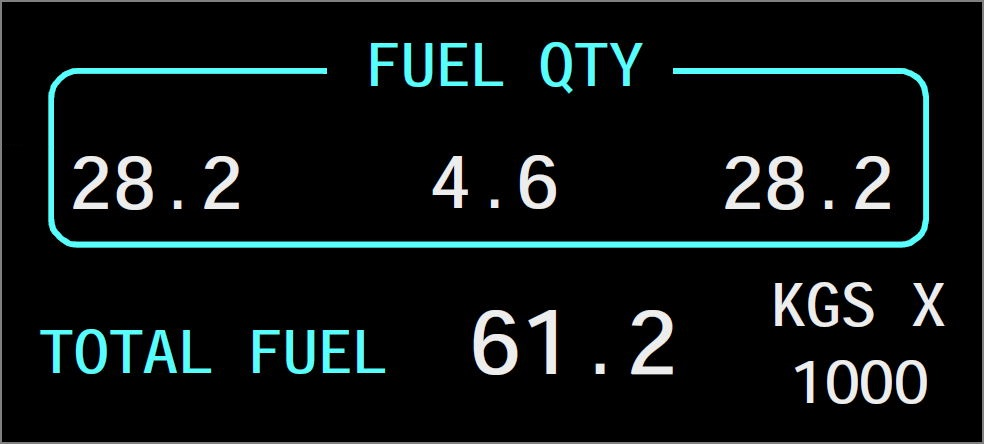
Once airborne, fuel use does not go unobserved. Aircraft are fitted with Fuel Quantity Indicating Systems that give the crew continuous readings of tank levels and fuel flow. Data is also sent through the Flight Management System, which projects endurance and range based on real-time consumption.
If fuel use exceeds the planned rate, the crew can make operational adjustments such as changing altitude, altering speed, or modifying the route. These measures preserve efficiency while maintaining regulatory reserves.
Balancing Safety and Efficiency
Fuel is both a safety requirement and the largest operating cost for most airlines. Carrying more fuel than needed increases aircraft weight and leads to higher burn. Carrying less than the regulated amount is not permitted. Airlines therefore seek an optimal balance: enough fuel for safe operations, without unnecessary excess.
Practices that improve efficiency include reduced-engine taxiing, continuous descent profiles, and careful selection of alternate airports. Some carriers also use fuel tankering, where cheaper fuel loaded at one airport is carried for use on the return sector, though this is weighed against the cost of carrying the extra weight.
Records and Compliance
All fuel calculations, decisions, and actual uplift amounts are documented in the aircraft logbook and the airline’s operational records. These are subject to regulatory inspection. In the event of an incident or delay, investigators can review the planning data and fuel figures to confirm compliance with requirements.
Airlines ensure sufficient fuel on every flight through regulation, planning, and constant monitoring. The system is built on detailed calculation, operational oversight, and engineering safeguards. From dispatch to cockpit, fuel management remains one of the central disciplines of modern aviation.
By Aeropeep Team