
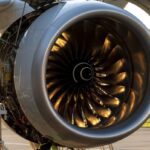
When you look inside an aircraft wing fuel tank or engine bay, you’ll often find a complex network of pipes, valves, and exchangers. One of the most important among them is the Fuel/Oil Heat Exchanger (FOHE), also known as a Fuel Cooled Oil Cooler (FCOC). This component plays a crucial role in ensuring safe and efficient operation of modern commercial aircraft.
What is a Fuel/Oil Heat Exchanger?
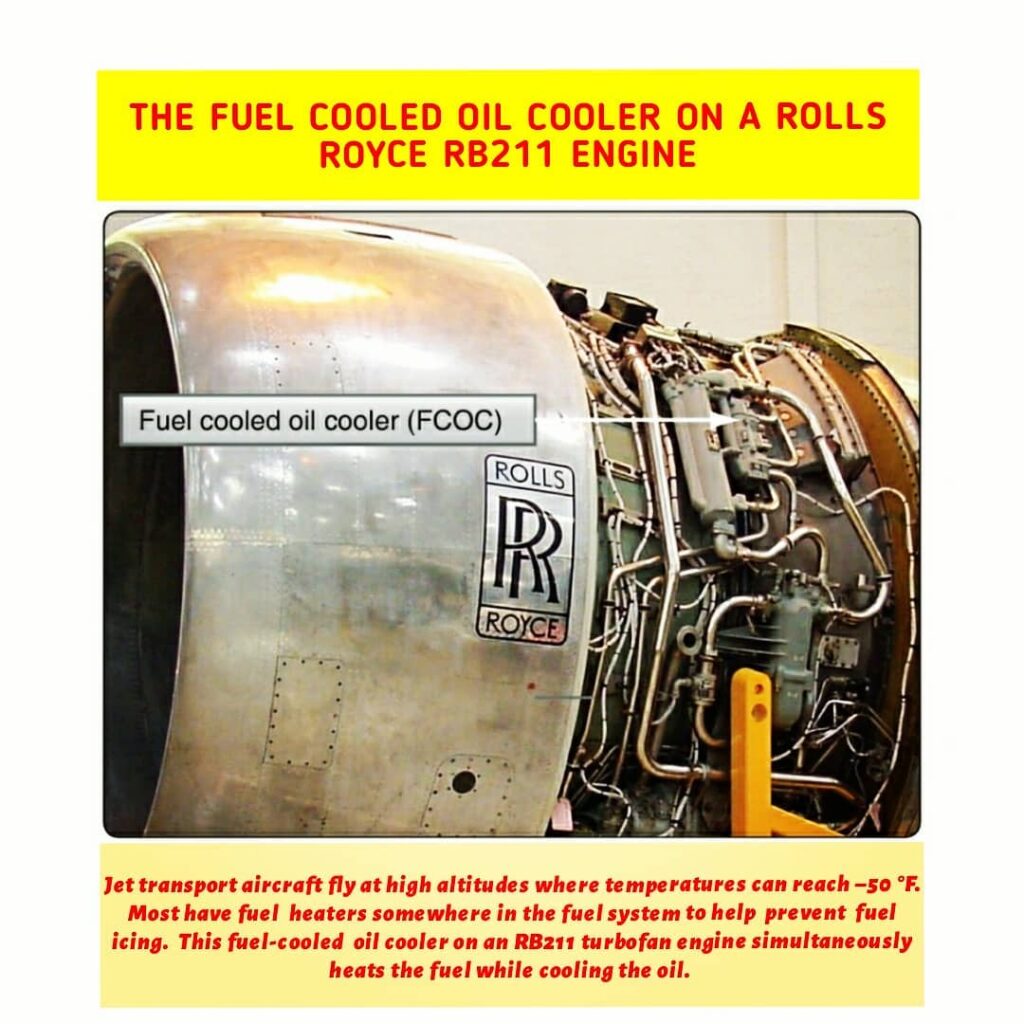
A Fuel/Oil Heat Exchanger is a device that transfers heat between the aircraft’s fuel and engine oil systems. It serves a dual purpose:
- Fuel Warming – At high altitudes, temperatures can drop significantly, which creates risks for fuel system operation. The primary concern is not fuel freezing (as Jet A-1 has a freezing point around -47°C), but rather the freezing of small amounts of water naturally suspended in the fuel. When fuel temperatures drop below 0°C, this water can freeze into ice crystals that may accumulate and block fuel system components.
- Oil Cooling – Jet engines generate extreme heat, and the lubricating oil must be kept within safe temperature ranges (typically between -10°C to 140°C). The exchanger allows cooler fuel to absorb excess heat from the oil, protecting the engine’s bearings and other critical components.
Why Is It Located in the Engine or Fuel System?
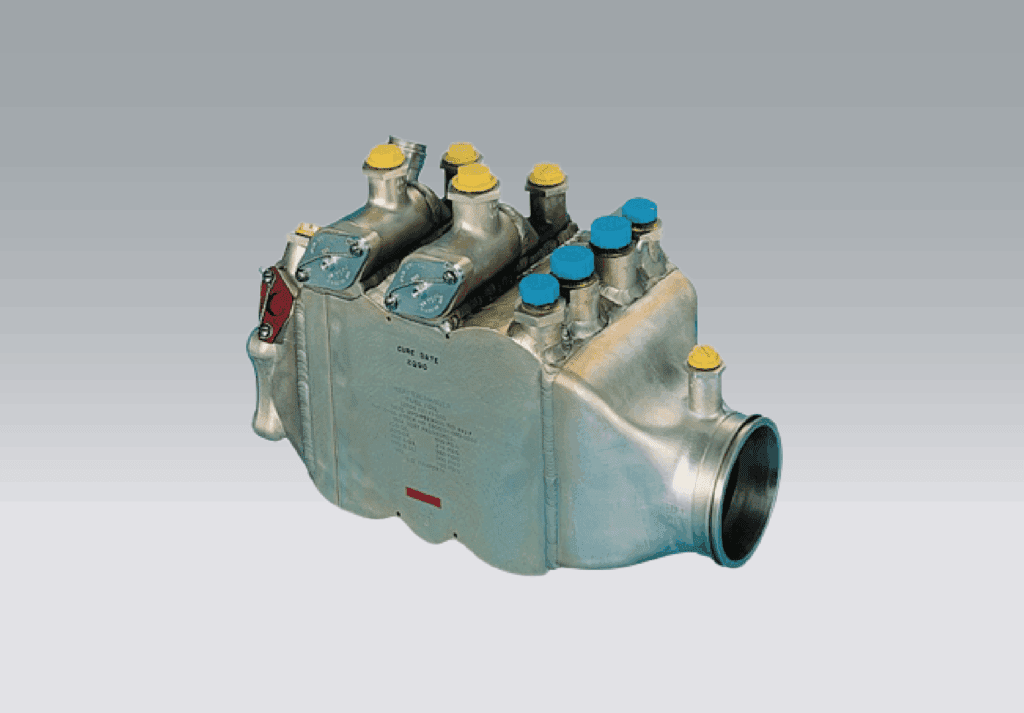
FOHEs are typically located within the engine fuel system rather than directly inside wing tanks. This positioning ensures:
- Optimal heat exchange between hot engine oil and cooler fuel
- Direct integration with engine fuel and oil circulation systems
- Efficient thermal management at the point where both systems intersect
- Compact installation within the engine compartment
Safety Considerations
The FOHE has been at the center of several safety investigations in aviation history. The most notable case was British Airways Flight 38 on January 17, 2008, where ice crystals in the fuel clogged the fuel/oil heat exchanger of both engines, restricting fuel flow during final approach to Heathrow Airport. The aircraft crashed short of the runway, though all 152 people aboard survived.
The investigation discovered that design features in the Boeing 777’s FOHE led to inefficient heat exchange, allowing ice to accumulate and potentially restrict fuel flow during periods of high fuel demand. The FOHE was shown to be susceptible to restriction when presented with soft ice in high concentrations, particularly with fuel temperatures below -10°C and fuel flows above flight idle.
Since this incident, manufacturers have implemented design improvements to reduce the risk of ice accumulation in heat exchangers.
Maintenance and Inspection
Aircraft maintenance crews regularly inspect and service these exchangers to ensure:
- No leakage between fuel and oil systems, which could contaminate either fluid
- No internal blockage caused by debris, ice crystals, or other contamination
- Secure connections and seals at all couplings and mounting points
- Proper heat transfer efficiency through performance monitoring
Conclusion
The Fuel/Oil Heat Exchanger may appear to be just another component in an aircraft’s complex systems, but it is a vital safeguard for both engine health and flight safety. By managing heat transfer between two of the most critical fluids onboard, this component ensures reliable engine performance even in harsh operating conditions. The lessons learned from incidents like BA Flight 38 have led to improved designs that better handle the challenging conditions of modern aviation, particularly the risk of ice formation in fuel systems at high altitudes.
✈️ Support Aeropeep ✈️
We love bringing you aviation news, insights, and stories every day. To keep Aeropeep running and cover the costs of hosting, research, and content creation, we rely on the support of our community.
If you enjoy our work, please consider making a small donation—it helps us stay independent and keep delivering quality aviation content. 💙
👉 Donate
Thank you for being part of the Aeropeep journey!