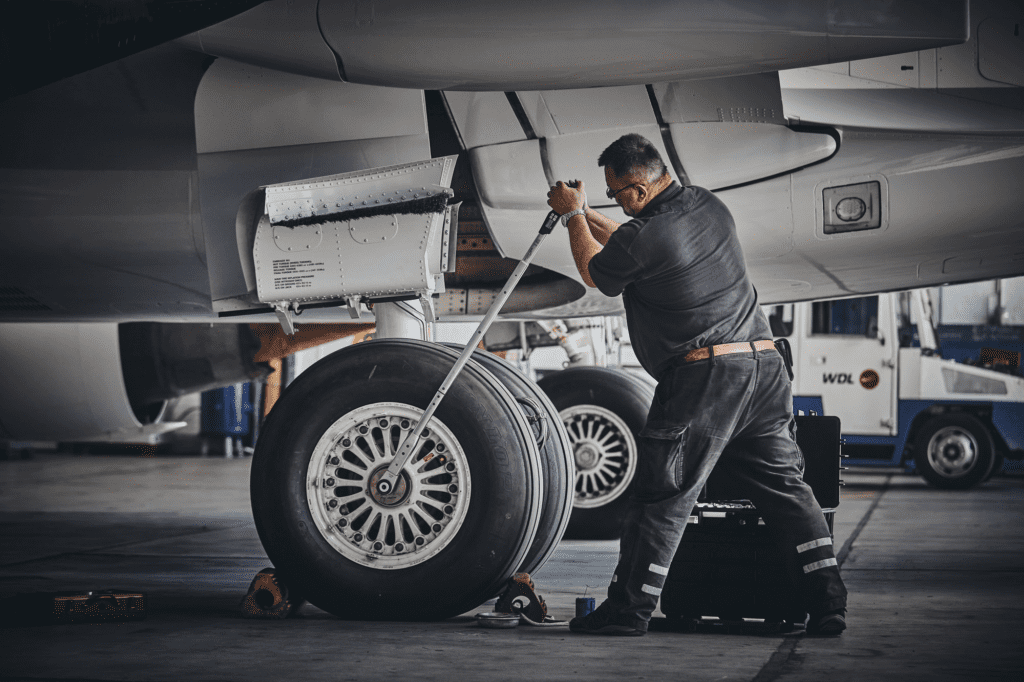
A torque wrench is one of the most essential tools in aviation maintenance. Unlike automotive work, aircraft components rely on precise torque values to ensure structural integrity, system reliability, and flight safety.
When fasteners are not tightened to the exact specifications in the maintenance manual, the results can range from minor leaks to catastrophic failures. This article explains why torque matters, how to torque correctly, and real accidents caused by improper torque.
1. What Is a Torque Wrench — and Why It Matters in Aircraft Maintenance
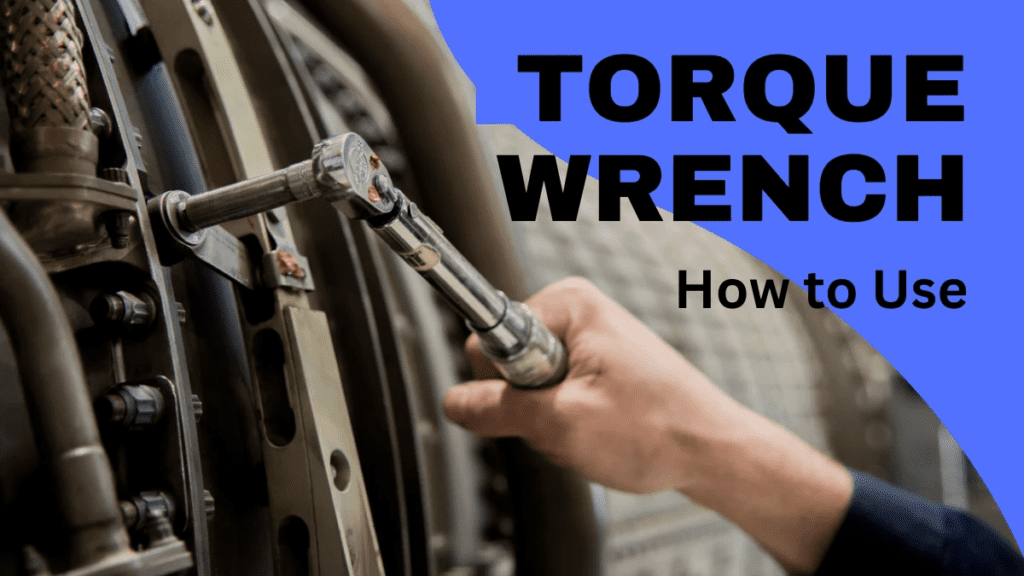
A torque wrench applies an exact amount of twisting force to bolts, nuts, and fittings. In aviation, precision is critical because engines, structures, control surfaces, and fluid systems operate under high loads, vibration, and thermal changes.
Correct torque:
- Ensures components remain secure under operating stresses
- Prevents fasteners from loosening (under-torque)
- Prevents thread damage and bolt stretching (over-torque)
- Preserves the aircraft’s designed safety margins
In aviation, torque cannot be guessed. It must follow the AMM (Aircraft Maintenance Manual) or standard torque tables.
2. How to Properly Use a Torque Wrench on Aircraft
Use a calibrated torque wrench
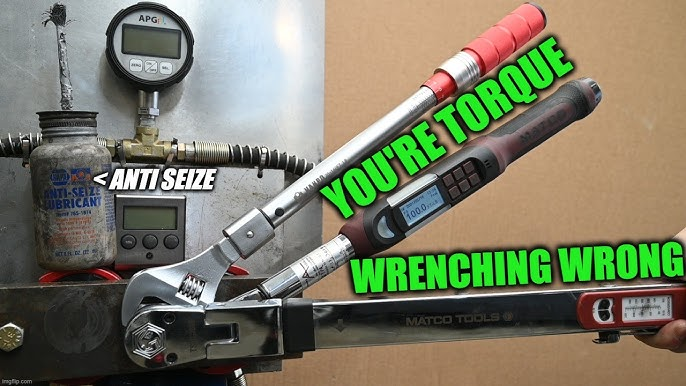
Calibration ensures torque accuracy. Out-of-calibration tools can cause both under- and over-torque conditions.
Choose the correct wrench capacity
Use a wrench that covers the required torque range, ideally within 20–80% of its scale for top accuracy.
Operate the wrench correctly
- Keep the wrench perpendicular to the fastener
- Apply smooth, steady pressure
- Stop immediately when the wrench clicks or reaches its digital setting
- Never use the wrench to loosen bolts
Account for extensions and adapters
Crow’s-foot or other extensions change the torque value and require correction calculations.
Follow the maintenance manual
Only use official torque tables from the AMM, CMM, or standard AMM torques.
Apply torque seal and conduct inspections
Torque seal helps identify any loosening during operation. Critical systems often require a second inspector.
Maintain the work environment
Good lighting, minimal distractions, and following checklists prevent torque-related human errors.
3. Risks of Incorrect Torque — What Can Go Wrong
Incorrect torque is a major threat to aircraft safety.
Under-Torque Risks:
- Fasteners loosen in flight
- Fuel, oil, or hydraulic leaks
- System failures
- Potential loss of control
Over-Torque Risks:
- Thread stripping
- Bolt stretching or cracking
- Component deformation
- Fatigue failure
Failures often occur after long vibration cycles or temperature changes — not immediately after maintenance.
4. Real Accident & Incident Examples Caused by Incorrect Torque
Helicopter Engine Failures from Loose B-Nuts
The NTSB recorded several accidents where B-nuts (on fuel, oil, or air lines) were improperly torqued.
Case Example:
A helicopter experienced complete engine failure because a fuel-line B-nut was found finger-tight. The aircraft force-landed after losing power.
Cause: Incorrect torque + missing safety wire.
Fuel Leaks After Maintenance Flights
Another helicopter suffered fuel leakage during a post-maintenance check flight. Investigators confirmed the B-nut was not torqued correctly and had no safety lock.
Industry Data
Between 2009–2015, over 45 aviation accidents and incidents were linked to improperly torqued fasteners, especially in engine systems, control linkages, and hydraulic fittings.
Structural & Control System Failures
Incorrect torque on:
- flight control linkages
- stabilizer attachments
- landing gear hardware
- engine mounts
…can lead to catastrophic failures such as loss of control or in-flight breakup.
Small bolts can cause big accidents.
5. Why Torque Discipline Is Non-Negotiable in Aviation
Aircraft face extreme conditions: vibration, heat cycles, aerodynamic loads, and pressure variations. Every fastener must be properly torqued to maintain reliability.
Key reasons torque discipline is essential:
- High vibration environment
- Safety-critical systems
- Strict regulatory requirements
- Human-factor risks
Studies show that 14–21% of helicopter accidents involve maintenance errors — with torque and fitting issues among the most common.
Correct torque is a vital safety barrier, not a simple mechanical task.
6. Summary & Key Takeaways
- A torque wrench ensures accurate fastener preload to maintain aircraft safety.
- Always follow the AMM, use calibrated tools, avoid distractions, and apply torque seal where required.
- Improper torque has caused real accidents: fuel leaks, engine failures, forced landings, and structural failures.
- Human factors and maintenance discipline are just as important as the tool itself.
By Aeropeep Team