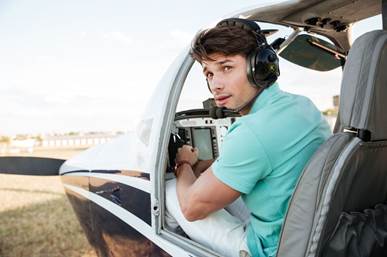
Choosing the best aviation headset for student pilot training is one of the first real decisions you make once flight training begins. A headset is not just an accessory, it affects how well you hear instructions, how clearly you speak on the radio, and how comfortable you feel during long lessons in the cockpit. Many students start by borrowing flight school headsets, but these are often worn, inconsistent, and uncomfortable after repeated use, and sometimes unsanitary.
If you want the best aviation headset for student pilot use, the goal is simple. You want clear communication, reliable comfort, and fewer distractions so you can focus on learning to fly. This guide explains how to choose the right aviation headset as a student pilot, what features matter most, and how Kore Aviation headsets like the KA-1, P1, and H1 fit real training environments.
This article is written for student pilots training in the United States and uses practical examples from everyday flight lessons.
Why a Dedicated Headset Matters for Student Pilots
Flight training moves fast. As a student pilot, you are juggling checklists, radio calls, airspace rules, weather awareness, and aircraft control all at once. A headset that pinches, crackles, or cuts out adds stress you don’t need.
Owning your own headset gives you consistent fit and sound quality every lesson. You no longer adjust to different ear seals or microphone positions. You also avoid hygiene issues that come with shared equipment. Most importantly, you spend less time fixing gear and more time learning.
This is why many instructors recommend buying early and choosing the best aviation headset for student pilot training that fits your schedule and budget.
What Defines the Best Aviation Headset for Student Pilot Use
When comparing aviation headsets, student pilots should focus on features that directly affect training quality. These are not luxury features. They are practical needs.
Noise Reduction
Training aircraft are loud. Engine noise and airflow can make it hard to hear speech. A headset should reduce cabin noise enough that voices are clear without turning the volume all the way up. Passive noise reduction works well for most trainers when the fit is correct.
Microphone Clarity
Clear microphone transmission matters just as much as what you hear. A noise-cancelling microphone helps your instructor and air traffic control hear you clearly, even in busy radio environments. This reduces repeat calls and builds confidence early.
Comfort for Long Lessons
Many students underestimate how long they will wear a headset. Cross-country training and back-to-back lessons make comfort critical. Soft gel ear seals and padded headbands help reduce pressure and fatigue.
Durability and Warranty
Flight training means frequent use. A good headset should hold up daily wear, travel easily in a flight bag, and withstand repeated adjustments. Warranty length can be a helpful indicator of long-term reliability.
When a headset performs well in these areas, it is usually close to the best aviation headset for student pilot training.
Best Aviation Headset Options for Student Pilots
After testing and comparing multiple aviation headsets commonly used in student pilot training, we found that Kore Aviation stands out for practical reasons rather than just claims. During real training scenarios, including pattern work, cross country flights, and busy radio environments, Kore headsets consistently delivered reliable comfort, clear communication, and straightforward usability at a price point that makes sense for students.
What set Kore Aviation apart was not one single feature, but the overall balance. The headsets were easy to set up, comfortable over longer lessons, and durable enough for frequent use. Based on these hands-on comparisons, Kore Aviation emerged as one of the best picks for fixed wing student pilots looking for dependable performance without unnecessary complexity.
Kore Aviation offers two popular options for fixed-wing student pilots. Each fits a different training style and budget.
Kore Aviation KA-1
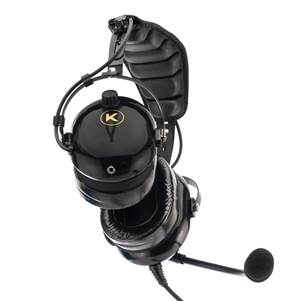
Kore Aviation KA-1 is designed for students who fly often and want comfort that lasts through longer lessons. It features gel ear seals and a padded headband to reduce pressure during extended wear.
Kore Aviation lists the KA-1 with 24 dB passive noise reduction, independent volume controls, mono and stereo switching, an AUX input, and a noise-cancelling microphone. These features support busy radio work and allow flexibility across different aircraft audio systems.
For many students who train several times per week, the KA-1 becomes the best aviation headset for student pilot use because it balances comfort, clarity, and long-term value.
Kore Aviation P1
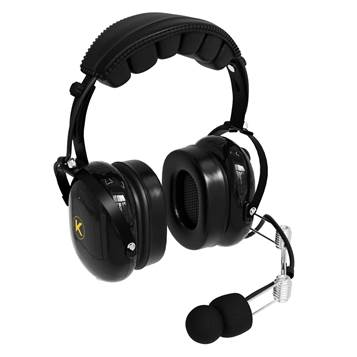
The Kore Aviation P1 is a practical option for new students who want dependable performance at a lower cost. It is lightweight, simple to use, and designed for early training phases.
The P1 uses foam ear seals and includes an AUX port. It works well for shorter lessons and basic training flights. Many pilots later keep it as a backup or passenger headset.
For students watching their budget closely, the P1 is often the best aviation headset for student pilot training at an entry level price.
Which Kore Aviation headset is right for you?
| Feature | Kore Aviation KA-1 | Kore Aviation P1 |
| Noise Reduction | 24 dB (PNR) | 23 dB (PNR) |
| Comfort | Gel ear seals, padded headband | Soft foam ear seals, light frame (with optional upgrade to gel ear seal, sold separately) |
| Warranty | 5 years | 1 year |
| AUX Input | Yes | Yes |
| Price Range | Mid-range | Budget |
| Ideal For | Students & instructors planning for long-term use | Beginners seeking affordable gear |
Both models deliver exceptional clarity and reliability. The KA-1 suits students looking for premium comfort, while the P1 is the best budget headset for those who need dependable performance on a tighter budget.
Choosing the Right Headset for Your Training Environment
Before buying, think about how you actually train. Ask yourself a few practical questions.
- Do you train in one aircraft or multiple aircraft?
- Do you fly back-to-back lessons?
- Do you need mono and stereo flexibility?
- Do you wear glasses often?
- Do you plan to connect a phone or tablet for alerts?
Matching headset features to your real schedule helps you avoid buying twice and makes it easier to choose the best aviation headset for student pilot training.
Passive vs Active Noise Reduction for Beginners
Many student pilots begin their training with passive noise reduction headsets. Passive headsets are simple, reliable, and do not require batteries or electronics, which makes them easy to use and maintain during flight training. When fit and comfort are good, PNR headsets perform very well in typical training aircraft.
Another important reason beginners choose PNR is cost. Passive noise reduction headsets are generally much more affordable than active noise reduction models, which makes them a practical first purchase for student pilots who are already managing the high cost of flight training.
As pilots gain experience and log more hours, some eventually upgrade to ANR headsets for additional noise cancellation on longer flights. When that happens, a quality passive headset often continues to serve as a reliable backup or passenger headset.
For most beginners, starting with passive noise reduction is the most practical choice. It offers solid noise protection, dependable performance, and excellent value while allowing student pilots to focus on learning rather than managing extra equipment or expense.
Comfort Checks Before Your First Long Flight
Comfort affects focus. Before committing to a headset, notice how it feels after ten minutes of wear. Pay attention to ear seal pressure, headband tension, and heat buildup around your ears.
If you wear glasses, make sure the ear seals still sit properly. The microphone should stay in place without drifting. When these details feel right, you are much closer to choosing the best aviation headset for student pilot comfort and clarity.
Common Mistakes First-Time Buyers Make
Many first-time buyers choose the cheapest option and end up replacing it sooner than expected. Others overlook comfort at the start and regret it later, especially during longer cross-country training. Mono and stereo compatibility is often ignored, and not every headset fits well with glasses.
Another common mistake is storing a headset loose into a bag, which can damage cables and parts over time. Avoiding these issues usually saves money in the long run.
Setup Tips for Your First Week of Training
Small setup habits make a big difference:
- Set mono or stereo correctly for the aircraft
- Place the microphone near the corner of your mouth
- Balance both ear volume controls
- Store the headset in a carry bag
- Do a quick audio check before engine start
These habits help even a good headset feel like the best aviation headset for student pilot training.
Ready to Choose the Best Aviation Headset for Student Pilot Training
If you are ready to choose, Kore Aviation offers reliable options for every stage of training. For most fixed-wing students, the KA-1 is the comfort-focused choice, while the P1 is a smart value starter. Helicopter students should look at the H1.
Choosing the right headset early helps you train with confidence and focus from day one.
Frequently Asked Questions
1. Do I really need my own headset as a student pilot?
It is not required, but most students benefit from owning one. Having your own headset means consistent fit, better hygiene, and familiar audio from lesson to lesson.
2. What makes the best aviation headset for student pilot training?
Look for solid noise reduction, a clear microphone, comfort for longer lessons, durable build, and useful features like mono/stereo switching and AUX input.
3. Is passive noise reduction enough for trainers?
For many students, yes. A well-fitting passive headset can be effective, simple, and budget-friendly for training aircraft.
4. Which Kore headset is best for frequent training?
Students who fly often tend to prefer KA-1 because it is built around comfort features and training-friendly controls.
5. Which Kore headset is best for a tight budget?
Kore Aviation P1 is designed as a value-price option and is often chosen as a first headset for new pilots.
6. What is the best Kore option for helicopter students?
The Kore Aviation H1 is designed for helicopter use and high noise environments, making it a natural pick for rotorcraft training.
7. How do I know if my headset works with my aircraft?
Most training airplanes use standard dual GA plugs. If you train in helicopters, you typically need a helicopter plug headset like the H1.
8. How long can a quality headset last?
With proper storage and careful handling, many pilots use the same headset for years. Warranty length can be a useful indicator of manufacturer confidence. Kore’s warranty policy covers up to five years for defects for the original purchaser.
9. Can I connect my phone or tablet?
If your headset has an AUX input, you can connect compatible audio sources. Kore lists a 3.5 mm AUX input on the KA-1 page and an MP3 AUX port on the P1 page.
10. What is the most common setup mistake?
A10: Mono stereo mismatch is common. If you only hear audio in one ear, check the mono stereo switch and your aircraft audio configuration
By Aeropeep