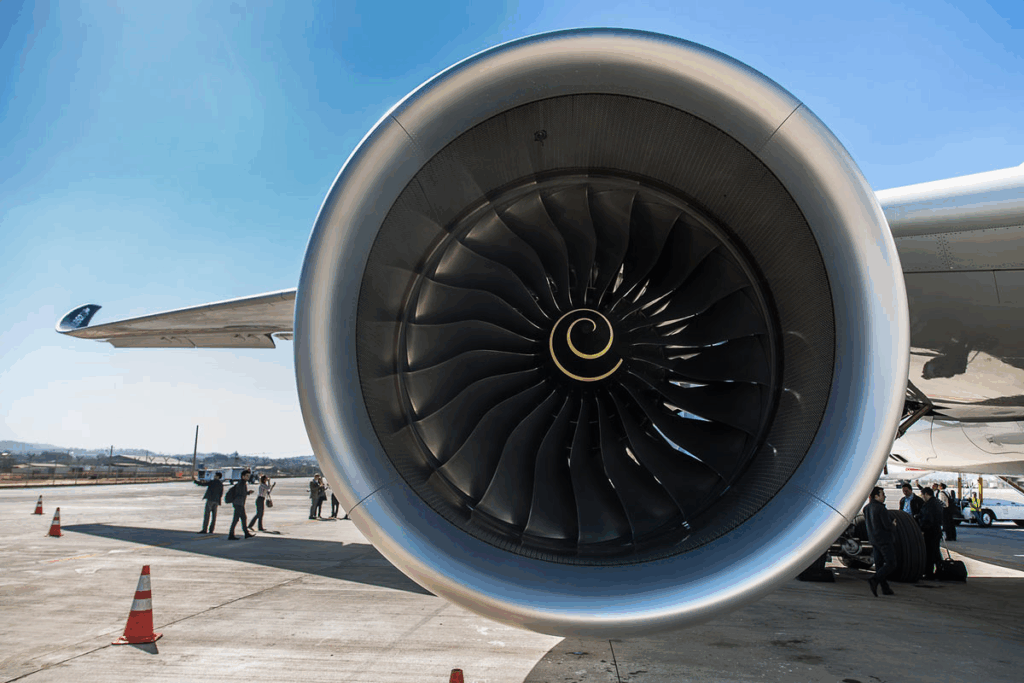
Starting an aircraft engine might seem like a simple cockpit procedure, but the sequence in which engines are started—whether Engine 2 before Engine 1, or Engine 1 before Engine 2—is based on a mix of technical design, operational efficiency, and safety considerations. While procedures vary by airline, manufacturer, and even airport environment, there are clear technical reasons behind the choice.
The Basics of Aircraft Engine Starting
Most modern airliners, such as the Airbus A320, Boeing 737, and Embraer E-Jets, use engine bleed air from the APU (Auxiliary Power Unit) to start their engines. The APU provides compressed air that drives the starter motor, which in turn spools up the engine until it can sustain combustion on its own.
But the order of starting—whether right engine (No. 2) or left engine (No. 1) first—affects factors such as:
- Bleed air efficiency
- Ground crew safety
- Taxi procedures
- Cross-bleed starts in case of APU failure
- Hydraulic system operations
Why Many Airlines Start Engine No. 2 First (Boeing Aircraft)
On most twin-engine Boeing aircraft, Engine No. 2 is on the right-hand side of the fuselage. There are several reasons why many operators choose to start this engine first:
Ground Crew Safety
Engine No. 1 (left side) is located near the forward cargo hold door and ground service equipment such as baggage loaders, catering trucks, and ground power units.
By starting Engine No. 2 first, ground staff can continue servicing the aircraft safely on the left-hand side without being exposed to jet blast or intake suction.
Cross-Bleed Start Capability
If the APU fails, Engine No. 2 can be started first using an external air cart. Once running, it can supply bleed air to start Engine No. 1 through a cross-bleed start.
Efficiency During Pushback
Starting the right engine first allows the aircraft to taxi on Engine No. 2 only during pushback or initial taxi, saving fuel and reducing brake wear.
Airbus A320 Family: Engine No. 1 First (Current Standard)
CORRECTION: Contrary to what was previously stated, current Airbus standard operating procedures recommend starting Engine No. 1 first on A320 family aircraft, not Engine No. 2. This change reflects updated manufacturer recommendations as of 2025.
Hydraulic System Considerations
On the A320 family, the parking brake system is powered by the Yellow hydraulic system, which is driven by Engine No. 2. However, modern procedures have evolved to prioritize Engine No. 1 first for overall system efficiency.
Historical Context
Previously, many A320 operators started Engine No. 2 first due to the parking brake’s connection to the Yellow hydraulic system powered by Engine No. 2. This practice has changed with updated procedures.
Why Some Airlines Start Engine No. 1 First
Some operators prefer to start Engine No. 1 before Engine No. 2, depending on local procedures or aircraft type:
APU Exhaust Location
On some aircraft, the APU exhaust flow can interfere with the start sequence of one engine more than the other. Starting Engine No. 1 first may be recommended by the manufacturer in certain cases.
Airport or Gate Layout
At airports where jetways, service vehicles, or fueling trucks are more often positioned on the right-hand side, starting the left engine first may be safer operationally.
Standardization Across Fleet
Some airlines standardize the procedure across all fleet types to reduce pilot confusion. For example, if one fleet type requires Engine 1 first, the same logic might be applied to others for uniformity.
Current Manufacturer Recommendations vs Airline SOPs
- Boeing 737: Commonly, operators start Engine 2 first, mainly due to ground service proximity on the left and system design considerations.
- Airbus A320 Family: As of 2025, Airbus standard operating procedures call for Engine 1 to be started first, though individual airline SOPs may vary based on operational requirements.
- Regional Jets & Turboprops: Procedures vary widely, depending on bleed air routing, APU limitations, and taxiing requirements.
Ultimately, the Aircraft Flight Manual (AFM) provides manufacturer guidance, but airlines develop their Standard Operating Procedures (SOPs) that balance efficiency, safety, and maintenance considerations.
Technical Considerations
The engine starting process involves several critical systems:
- Bleed Air System: High-pressure air from the APU or ground cart flows through pneumatic systems to drive air turbine starters
- Hydraulic Systems: Different engines power different hydraulic systems, affecting operational priorities
- Electrical Systems: Engine-driven generators provide aircraft electrical power once engines are running
- Environmental Control: Engine bleed air also powers cabin pressurization and air conditioning systems
Conclusion
The decision to start Engine No. 2 first or Engine No. 1 first is not random—it’s a carefully thought-out procedure balancing crew safety, ground operations, fuel efficiency, and redundancy.
Engine 2 first (Boeing aircraft): Common choice, safer for ground crew, enables single-engine taxi, supports cross-bleed starts.
Engine 1 first (Current Airbus A320 family standard): Reflects updated manufacturer recommendations and system optimization.
Airline variations: Individual carriers may adapt procedures based on specific operational needs, airport layouts, or fleet standardization policies.
Next time you board a flight and hear the engines spool up in a particular sequence, you’ll know it’s not just routine—it’s a finely tuned process ensuring both safety and operational efficiency.
By Aeropeep Team
✈️ Support Aeropeep ✈️
We love bringing you aviation news, insights, and stories every day. To keep Aeropeep running and cover the costs of hosting, research, and content creation, we rely on the support of our community.
If you enjoy our work, please consider making a small donation—it helps us stay independent and keep delivering quality aviation content. 💙
👉 Donate
Thank you for being part of the Aeropeep journey!