

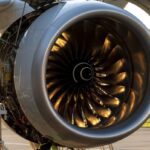

Auxiliary Power Units (APUs) are critical components in modern aircraft, providing electrical power, pneumatic power for air conditioning and pressurization, and engine starting capability when main engines are not running. Like any turbine engine, APUs rely on a continuous supply of lubricating oil to ensure smooth operation, reduce friction, and prevent overheating. However, APU oil leaks are a recurring issue in airline operations and maintenance environments. Undetected leaks can lead to excessive oil consumption, environmental contamination, costly maintenance events, and potentially hazardous fume events in the cabin.
One of the most effective troubleshooting techniques is the use of ultraviolet (UV) light and fluorescent dye to locate oil leaks. This article explores the causes of APU oil leaks, the importance of timely detection, and how UV inspection works in aviation maintenance.
Common Causes of APU Oil Leaks
Oil leaks in APUs may originate from multiple sources, including:
- Oil seals and gaskets – Worn or damaged seals are the most common cause of oil leakage
- Scavenge pump failures – Inefficient scavenging can cause oil pooling and subsequent leakage
- Breather vent issues – Blocked or malfunctioning vents can lead to internal pressurization and oil blow-out
- Accessory gearbox leaks – Leaks around accessory drives, fittings, and connections are frequent inspection findings
- Oil line and fitting deterioration – Aging or damaged oil lines and connections can develop leaks over time
Detecting the exact location early prevents unnecessary component removals and improves dispatch reliability while reducing maintenance costs.
Why UV Light is Used for Oil Leak Detection
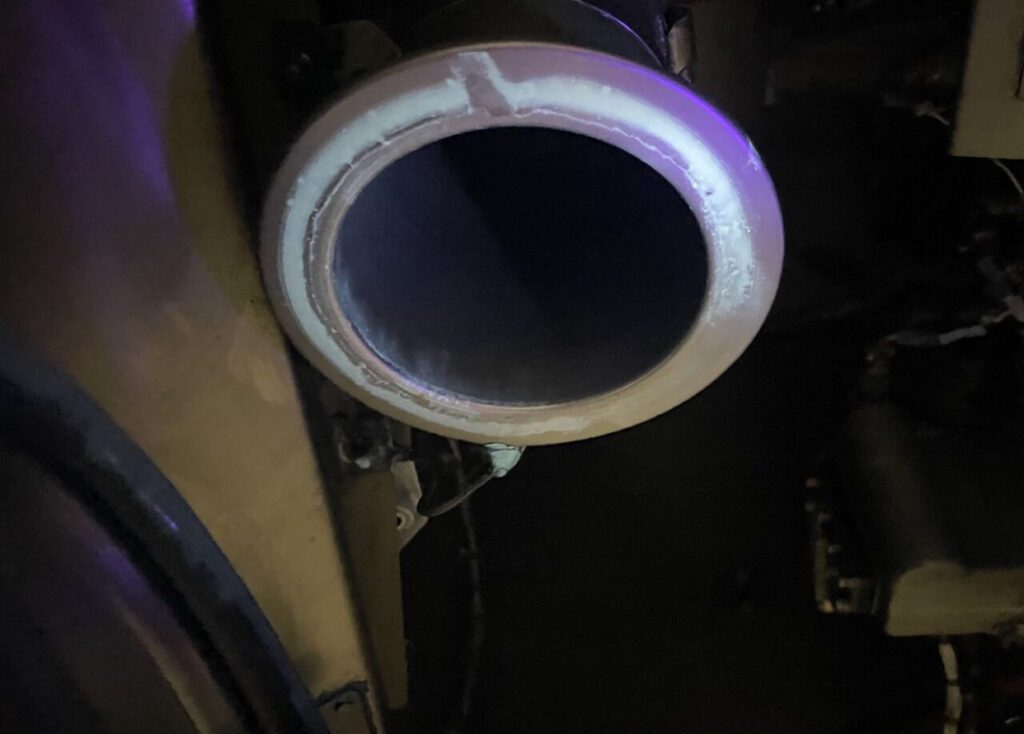
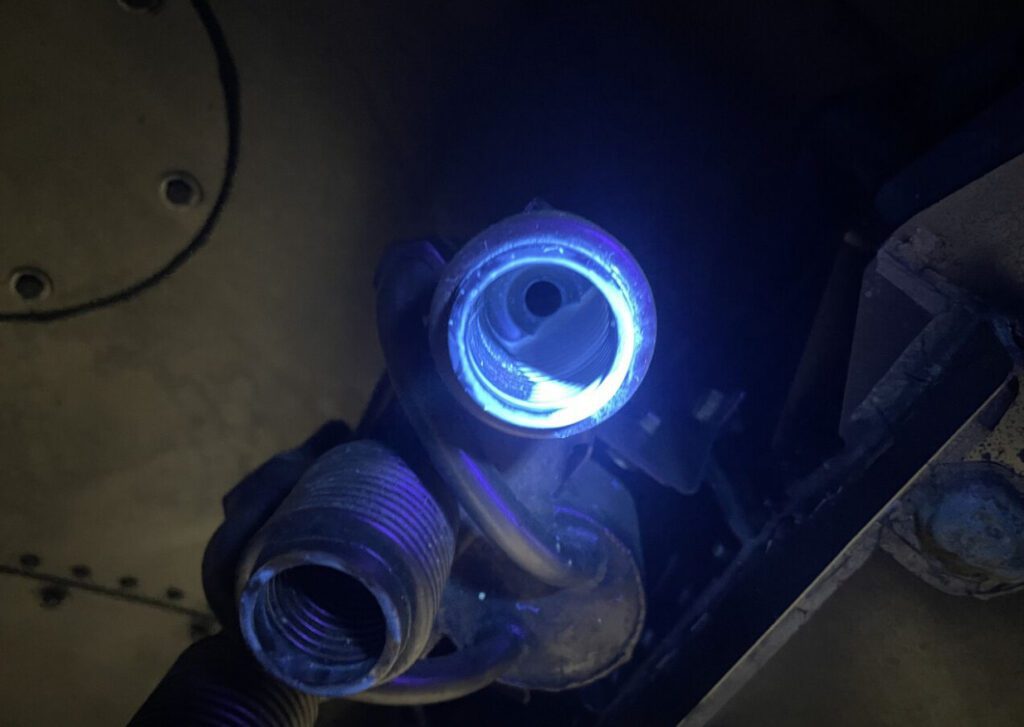
Oil itself is often difficult to trace because it spreads across multiple surfaces and may not be visible under standard inspection lighting. UV light inspection enhances visibility by using fluorescent oil additives that fluoresce brightly under ultraviolet illumination. This makes it possible to pinpoint the exact leak source, even in complex APU compartments with limited access.
Key benefits of UV leak detection:
- Rapid and accurate identification of leak points
- Minimizes aircraft downtime by reducing diagnostic guesswork
- Reduces costs by avoiding unnecessary part replacements
- Improves safety and compliance with aviation maintenance programs (AMPs)
- Enables detection of very small leaks that might otherwise go unnoticed
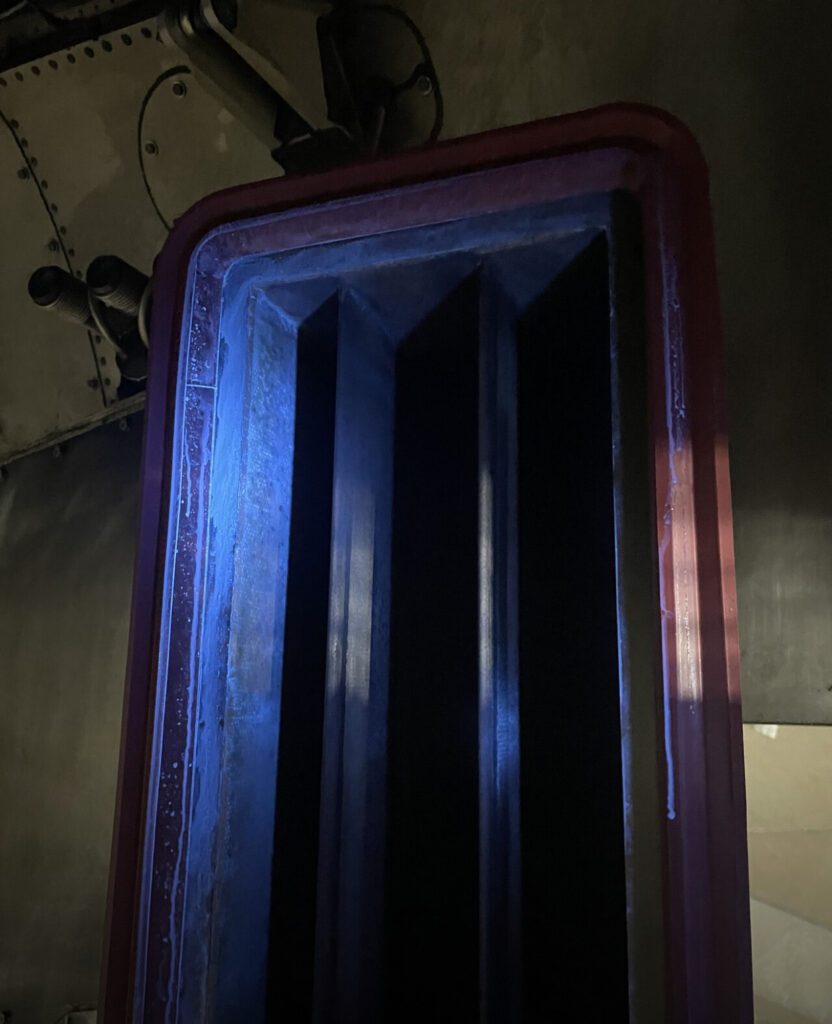
How UV Leak Detection Works in Aviation
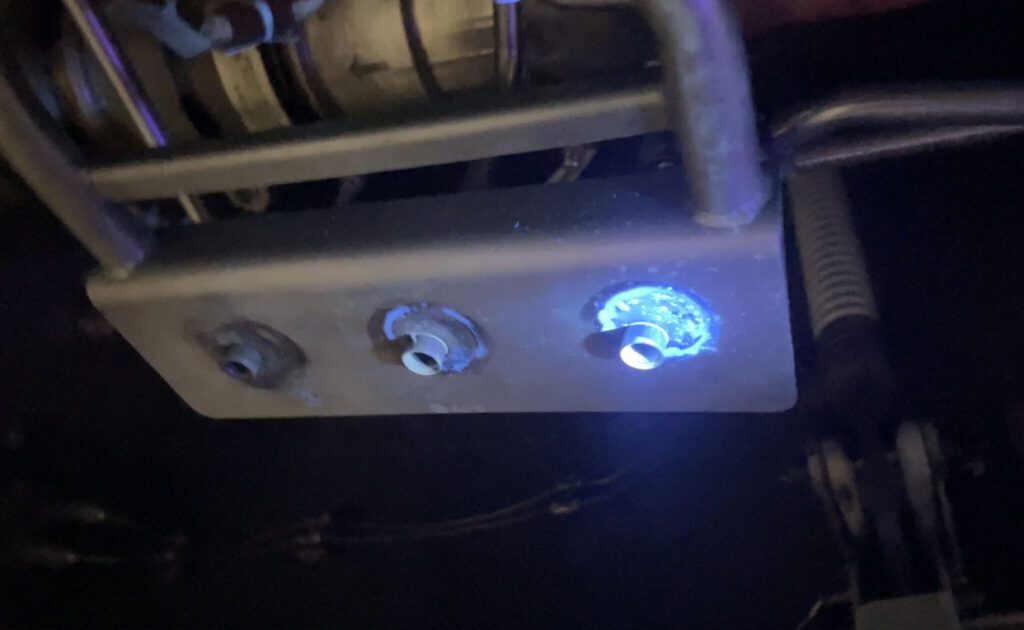
1. Fluorescent Dye Injection – A small quantity of aviation-approved fluorescent dye is added to the APU oil system according to manufacturer specifications.
2. System Operation – The APU is run under normal operating conditions for a specified period, allowing the dye to circulate throughout the oil system and accumulate at leak points.
3. Inspection with UV Lamp – A high-intensity UV light (typically 365nm wavelength) is used to inspect the APU compartment in low-light conditions. Any oil escaping through a leak path will fluoresce with a bright green or yellow-green glow.
4. Documentation and Verification – Leak sources are photographed and documented for maintenance records and troubleshooting history.
5. Corrective Action – Once the leak source is confirmed, appropriate corrective maintenance such as seal replacement, gasket renewal, or component overhaul is carried out per manufacturer instructions.
Safety and Best Practices
- Always use aviation-approved fluorescent dyes (such as Aero-Brite or similar products) to ensure compatibility with turbine oil chemistry and system components
- Perform inspections in low-light or darkened conditions to enhance dye visibility and contrast
- Wear UV-blocking safety glasses to protect eyes from prolonged UV exposure
- Use appropriate personal protective equipment when handling oils and dyes
- Clean the compartment thoroughly after inspection to avoid dye residue buildup, which may cause false positives in future checks
- Follow manufacturer dosage recommendations for dye concentration to avoid over-saturation
- Document all findings with photographs and detailed location descriptions for maintenance records
Regulatory Considerations
UV leak detection using fluorescent dyes must be performed in accordance with:
- Aircraft manufacturer maintenance manuals and service bulletins
- Regulatory authority requirements (FAA, EASA, etc.)
- Airline maintenance program specifications
- Environmental regulations for dye disposal and cleanup
Detecting APU oil leaks with UV light is a proven, reliable, and cost-effective method used by aircraft maintenance engineers worldwide. With the integration of fluorescent dyes and specialized UV lamps, technicians can rapidly identify leak sources, minimize operational disruptions, and maintain regulatory compliance.
In the high-stakes environment of aviation, early detection not only saves costs but also contributes to operational safety and efficiency by preventing potential fume events and system failures. For airlines and MROs, implementing UV leak detection in routine inspections is a best practice that enhances reliability and reduces maintenance delays while supporting proactive maintenance strategies.
By Aeropeep Team
If you enjoy our work, please consider making a small donation—it helps us stay independent and keep delivering quality aviation content. 💙
👉 Donate
Thank you for being part of the Aeropeep journey!