
Introduction
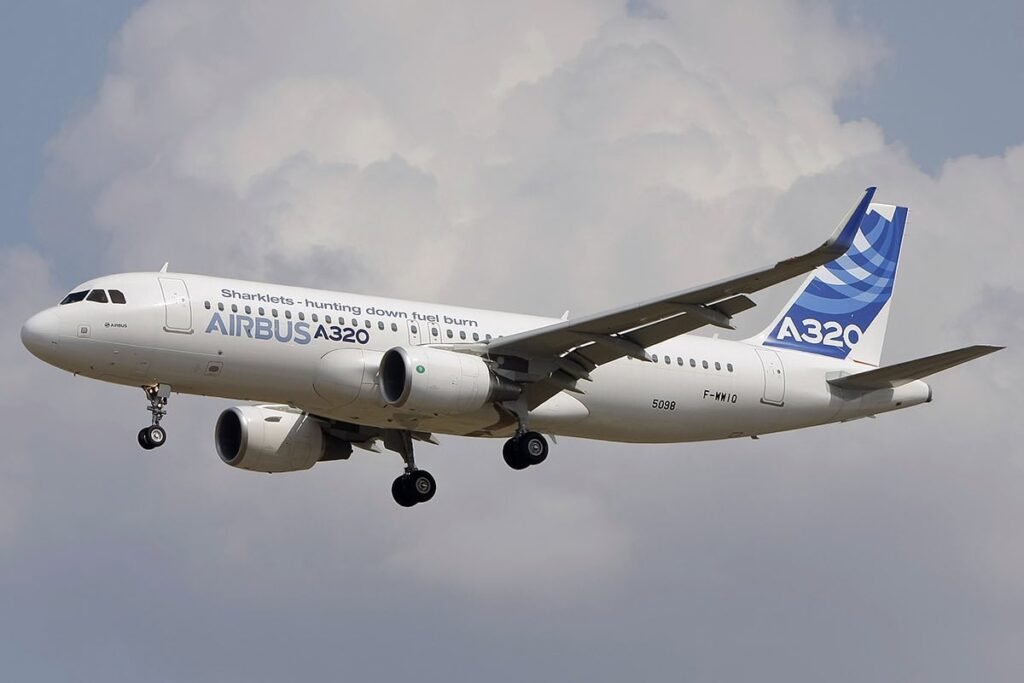
On November 28, 2025, the European Union Aviation Safety Agency (EASA) issued an Emergency Airworthiness Directive (AD) requiring operators of Airbus A319, A320, and A321 aircraft to take immediate corrective action on airplanes equipped with a specific version of the Elevator Aileron Computer (ELAC).
The directive mandates software modifications or hardware replacements before affected aircraft can return to passenger operations, following a serious in-flight incident that exposed a surprising vulnerability in the latest ELAC model—susceptibility to solar radiation.
This emergency action stems from JetBlue Flight 1230, which experienced a sudden altitude loss on October 30, 2025, resulting in at least 15 hospitalizations and triggering global regulatory scrutiny.
The Incident: JetBlue Flight 1230
On October 30, 2025, JetBlue A320-200 N605JB operating Flight B6-1230 from Cancun to Newark encountered an uncommanded pitch-down event while cruising at FL350, approximately 70 nm southwest of Tampa.
Key Facts From the Event
- The aircraft dropped roughly 100 feet in about seven seconds
- The autopilot remained engaged throughout
- The crew diverted to Tampa International Airport for an emergency landing
- At least 15 passengers, including children, were hospitalized with non-life-threatening injuries
Although the aircraft remained controllable, the event revealed a critical failure mode inside one of the flight-control computers.
Why the Event Is Serious
The Airbus A320 family relies on fly-by-wire flight-control systems managed by three major computer types:
A320 Flight-Control Computers
- ELACs (2) – control elevator and aileron (pitch + roll authority)
- SECs (3) – secondary control surfaces
- FACs (2) – flight augmentation and yaw control
Maintenance evaluations after the JetBlue diversion confirmed that ELAC 2 malfunctioned, briefly generating an erroneous pitch-down command. Such failures can cause abrupt, unexpected aircraft movements—even with autopilot engaged.
Root Cause: Solar Radiation Triggering ELAC Data Corruption
Airbus’ technical investigation determined that the incident was linked to solar radiation affecting the newest ELAC version, identified as:
Affected Hardware/Software
- ELAC B L104
What Happened?
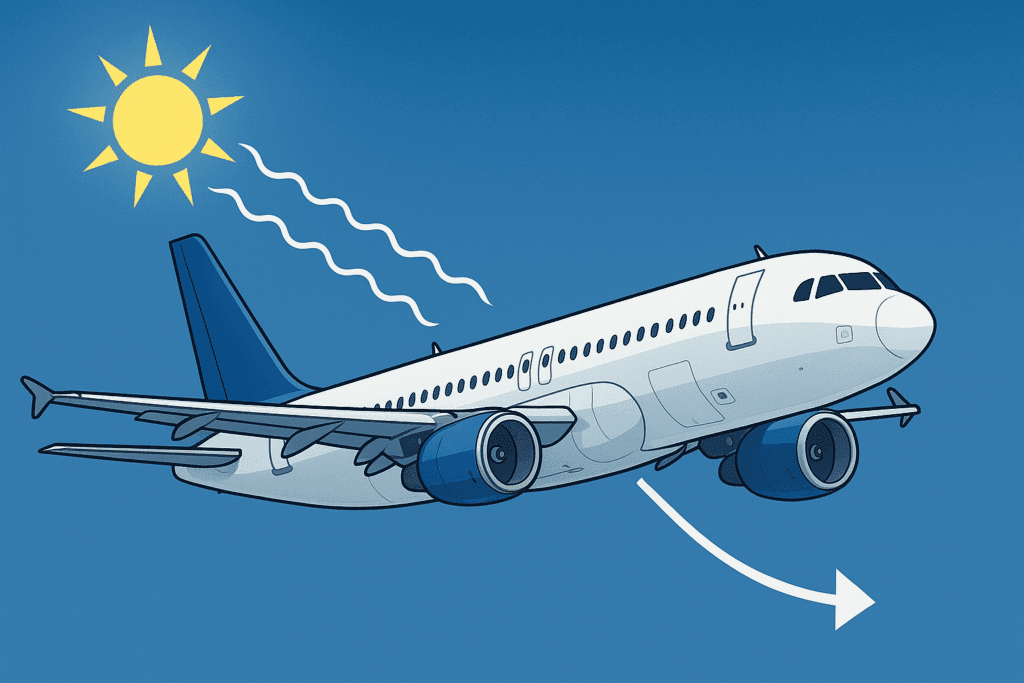
High-energy solar particles—emitted during recent strong solar flare activity—can cause bit-flips in microprocessors. These spontaneous changes can corrupt critical flight-control data, especially in systems not fully hardened against radiation.
Key Points
- Solar radiation corrupted data inside ELAC B L104
- The corrupted data produced a false pitch-down command
- The issue is software-related; hardware is compliant with Airbus specifications
- Thales (the manufacturer) clarified that the affected functionality was software-controlled, not part of their hardware responsibilities
Corrective Action
- Downgrading the ELAC software to ELAC B L103+
- Replacing ELAC B L104 in older aircraft where required
EASA’s Emergency Action
Effective at 23:59 UTC on November 29, 2025, EASA issued an Emergency AD stating that if unaddressed, the malfunction could lead to uncommanded elevator movements capable of exceeding the aircraft’s structural limits.
What the Emergency AD Requires
1. Immediate Corrective Action
Operators must remove and replace ELAC B L104 with ELAC B L103 or higher before returning the aircraft to passenger service.
2. Software Reversion
Most aircraft can be made airworthy by simply reverting to the previous software version, resolving the radiation vulnerability.
3. Ferry Flights Permitted
The AD allows up to three ferry flights, without passengers, solely to reposition the aircraft for maintenance.
Fleet Impact and Timeline
The directive affects approximately 6,000 Airbus A320-family aircraft, representing 60% of the global active fleet of about 9,900 aircraft.
Airline Impact
- American Airlines: 340 of 480 A320-family aircraft affected; most fixes expected by November 30
- British Airways: Only three aircraft impacted
- EasyJet: Anticipated some service disruption and notified affected passengers
The majority of aircraft require only a two-hour software revert, while an estimated 1,000 older jets need physical hardware changes.
Technical Explanation: How ELAC Failure Caused the Pitch-Down
During the JetBlue Flight 1230 event:
- Solar radiation disrupted memory pathways within the ELAC B L104 unit
- The corrupted data generated an erroneous pitch-down command
- The autopilot remained engaged, complicating the aircraft’s response
- The aircraft briefly lost altitude
- Redundant flight-control systems—another ELAC and multiple SECs—prevented loss of control
Passengers experienced turbulence and sudden vertical acceleration, contributing to injuries.
Operational Impact
EASA acknowledged that the directive will cause short-term operational disruptions, particularly during a high-travel period in North America following Thanksgiving.
Airbus also confirmed that safety is its top priority and recognized the inconvenience caused to operators and passengers.
Conclusion
The Emergency Airworthiness Directive issued by EASA underscores the increasing influence of space weather on modern aviation systems. The JetBlue uncommanded pitch-down incident exposed a serious vulnerability in the latest ELAC software, showing that even advanced fly-by-wire aircraft can be affected by solar radiation.
Thanks to quick detection and immediate regulatory action, airlines can rapidly apply fixes to prevent recurrence—ensuring continued safety across the world’s most widely used narrow-body aircraft family.