Incident Summary
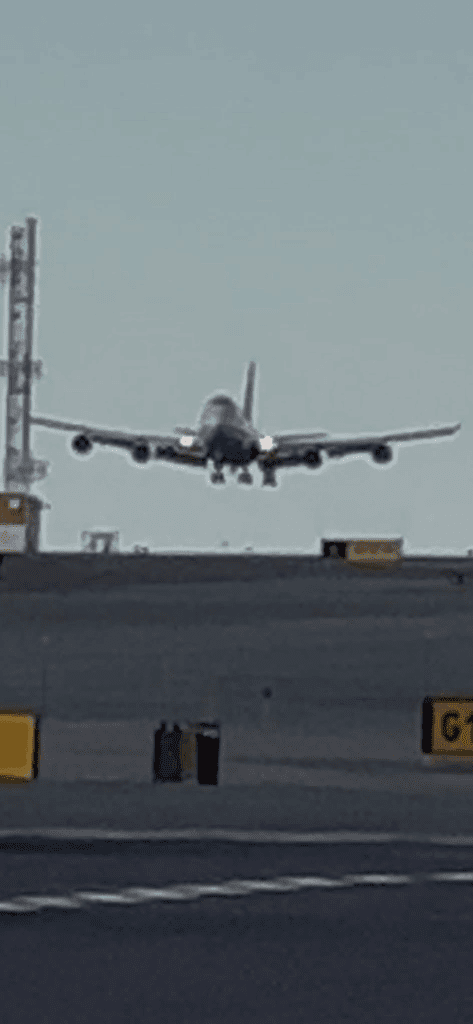
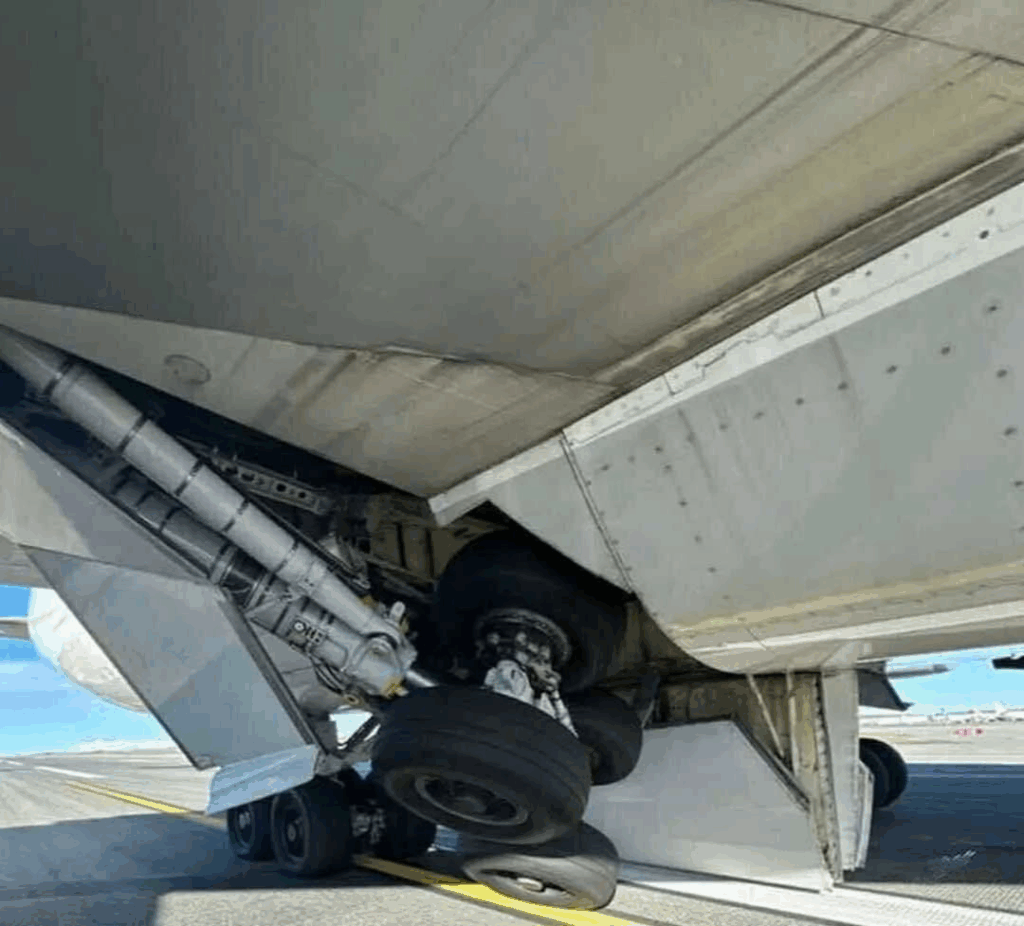
On September 29, 2025, Kalitta Air flight K4-615, operating from Hong Kong to Anchorage, Alaska, experienced a landing gear anomaly during approach. The right main landing gear failed to indicate “down and locked,” triggering an unsafe gear warning in the cockpit.
The flight crew halted their descent at approximately 3,300 feet and entered a holding pattern for about 30 minutes while working through troubleshooting checklists. Despite attempts to extend and lock the gear using normal and alternate procedures, the right main gear could not be confirmed as locked.
The crew executed a controlled landing using the left main gear, left body gear, right body gear, and nose gear, with the right main gear not touching down. The aircraft came to a safe stop on the runway and was later towed clear several hours after the incident.
Result: No injuries or fatalities were reported. The incident was handled successfully through skilled crew management and proper emergency procedures.
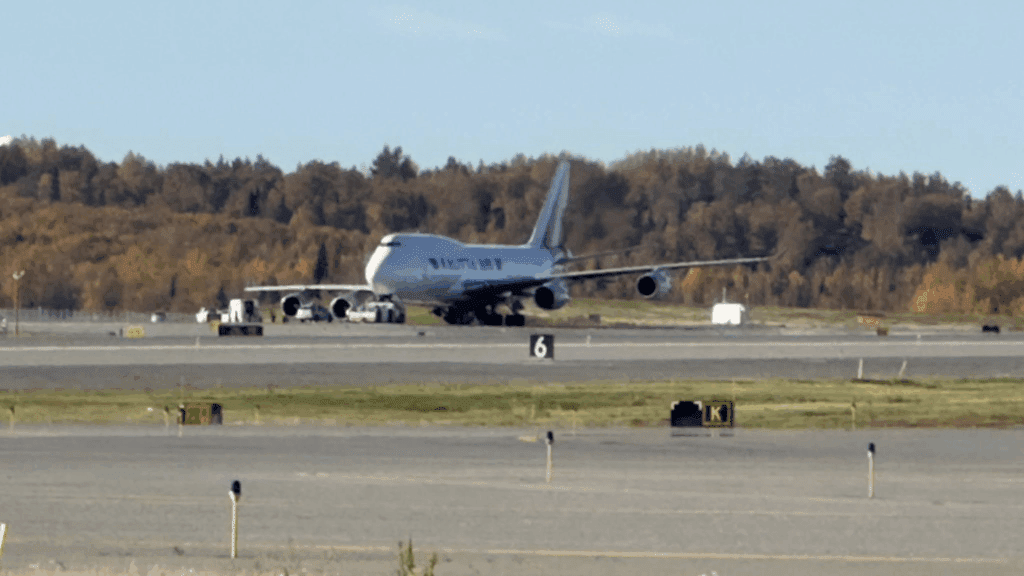
Aircraft and Operator Details
Aircraft: N745CK, Boeing 747-446(BCF)
Operator: Kalitta Air
Aircraft Type: Boeing 747-400 freighter (Boeing Converted Freighter)
Callsign: K4/CKS
Kalitta Air is a U.S.-based cargo airline specializing in freight operations and is known for operating Boeing 747 freighters among other aircraft types.
Airport Impact
Due to the incident, runway 07R/25L at Ted Stevens Anchorage International Airport was closed under NOTAM !ANC 09/119 during the incident response and aircraft recovery period. This closure caused significant operational disruption at one of North America’s busiest cargo hubs.
Technical Analysis
Landing Gear System Overview
The Boeing 747 main landing gear system consists of multiple bogies (gear trucks) including left main, right main, and body gear assemblies. During normal extension, hydraulic actuators deploy the gear, and mechanical locks secure them in the down position. Position sensors confirm each gear is “down and locked.”
Potential Failure Modes
The unsafe gear indication for the right main gear could have resulted from several scenarios:
- Hydraulic system failure or pressure loss
- Mechanical actuator jam or component fracture
- Locking mechanism failure
- Position sensor malfunction (gear extended but not sensed)
- Structural damage or foreign object interference
In this incident, either the gear did not fully extend and lock, or the indication system failed to detect proper locking.
Crew Response and Actions
The flight crew’s response followed standard abnormal procedures:
- Aborted further descent and established a safe holding altitude (3,300 feet)
- Executed troubleshooting checklists including alternate extension procedures
- Cycled the gear system and attempted emergency extension
- Assessed landing options with asymmetric gear configuration
- Coordinated with airport emergency services
- Executed a controlled landing on available gear
- Brought the aircraft to a safe stop and coordinated towing operations
The successful outcome demonstrates effective crew resource management and adherence to emergency procedures.
Risk Factors and Mitigation
Landing with partial gear presents significant hazards. The aircraft side without functioning gear must be supported by remaining gear and potentially the fuselage structure, creating risks of structural damage, fire, or loss of control. Critical factors for success include:
- Precise airspeed control
- Runway alignment accuracy
- Controlled touchdown point selection
- Coordination with airport rescue and firefighting (ARFF) services
- Favorable weather conditions
The positive outcome suggests excellent crew performance and effective coordination with ground support.
Investigation and Aftermath
The aircraft was towed from the runway and will undergo inspection and repair before returning to service. The landing gear fault must be identified and corrected.
An investigation will likely be conducted by:
- Kalitta Air maintenance and safety teams
- Boeing technical representatives
- Federal Aviation Administration (FAA)
- National Transportation Safety Board (NTSB), depending on damage classification
The investigation will determine root cause and recommend preventive measures.
Industry Context
Landing gear malfunctions occur periodically in commercial aviation, particularly in large aircraft. The Boeing 747, while a proven design, is an older airframe type that requires rigorous maintenance as components accumulate cycles and flight hours.
Cargo operators often fly converted passenger aircraft with higher total flight hours, making comprehensive inspection programs and system redundancy essential for safe operations. This incident reinforces the importance of:
- Regular landing gear inspections and maintenance
- Crew training for abnormal and emergency procedures
- Coordination between flight crews and ground support
- Effective troubleshooting protocols
The successful handling of Kalitta Air flight K4-615’s landing gear emergency demonstrates the effectiveness of pilot training, aircraft system design redundancy, and emergency response coordination. While the incident caused operational disruption, the absence of injuries and the controlled landing outcome represent a positive safety case study for the aviation industry.
By Aeropeep Team
If you enjoy our work, please consider making a small donation—it helps us stay independent and keep delivering quality aviation content. 💙
👉 Donate
Thank you for being part of the Aeropeep journey!