
Metal debris—even the smallest shards—can pose significant safety risks in aviation maintenance, manufacturing, and mechanical engineering environments. Loose metal fragments left behind after sheet-metal cutting represent a hazard far more serious than many technicians realize.
In aerospace maintenance, industrial fabrication, and high-precision engineering, foreign object damage (FOD) remains one of the leading causes of equipment failures, unplanned downtime, and expensive repairs. Understanding the hazards of metal debris is essential for preventing accidents and ensuring long-term reliability.
Why Metal Debris Is So Dangerous
Metal debris—including shavings, chips, burrs, and fragments—can cause several potentially severe issues:
1. Foreign Object Damage (FOD)
In aviation and mechanical systems, tiny metal particles can enter moving components or electrical systems, causing:
- Bearing wear
- Sensor failure
- Electrical shorts
- Hydraulic contamination
- Vibration anomalies
A single metal shaving inside a turbine engine can escalate into catastrophic failure—resulting in millions in repairs and prolonged aircraft grounding.
2. Corrosion Initiation
Metal chips left on aircraft skin or machinery housings trap moisture and chemicals. This accelerates:
- Galvanic corrosion
- Pitting corrosion
- Surface degradation
Over time, these processes weaken structures—especially critical areas such as fuselage panels, wing assemblies, and pressure bulkheads.
3. Fire and Electrical Risks
Metal fragments can:
- Bridge electrical contacts
- Short-circuit terminals
- Damage wiring insulation
In high-voltage or avionics areas, this dramatically increases the risk of electrical arcing and component burnout.
4. Physical Injury to Technicians
Hidden debris can cause:
- Deep cuts
- Eye injuries
- Embedded metal splinters
- Hand lacerations
These injuries are common across workshops, hangars, and fabrication facilities—even when PPE is used.
The Real-World Impact of Metal Debris
Although individual case details vary, metal-debris-related FOD is well documented across the aviation industry:
• Turbine Engine FOD
Metal particles entering the engine inlet have caused:
- Fan blade scoring
- Vibration exceedances
- Unscheduled engine removals
- Costly borescope inspections
Even a small fragment can compromise engine performance and safety.
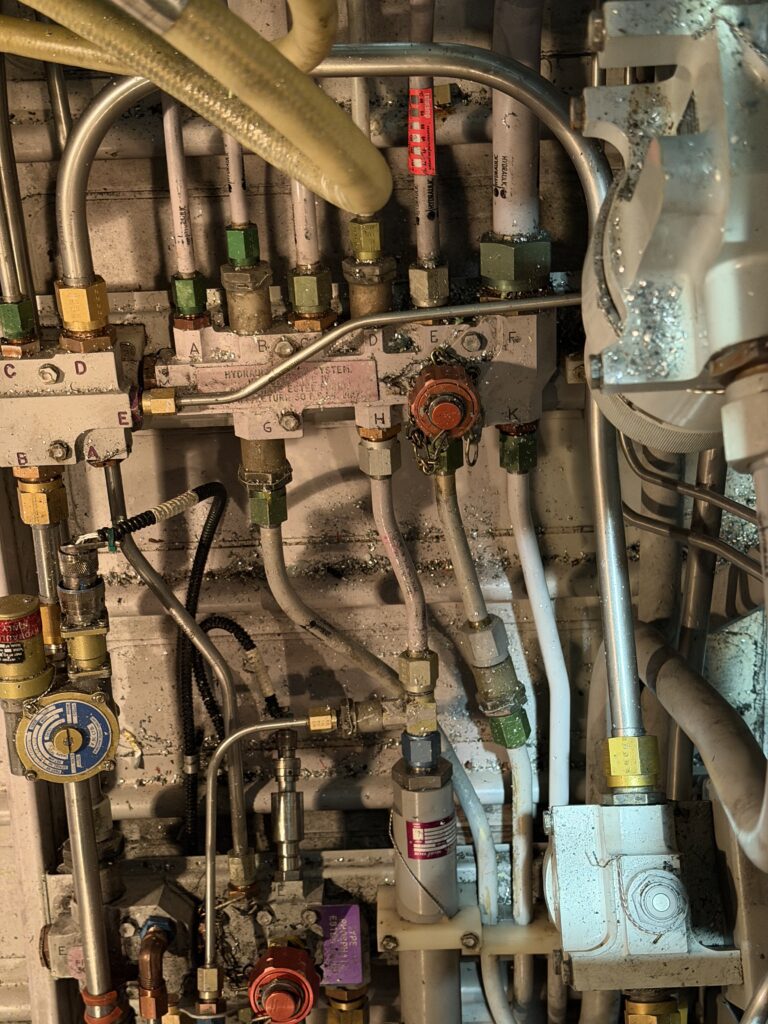
• Hydraulic System Contamination
Metal debris inside hydraulic systems can lead to:
- Pump damage
- Cylinder or actuator malfunctions
- Control valve sticking
- System sluggishness
- Full hydraulic fluid flush and component replacement
Hydraulic contamination is one of the most expensive maintenance events.
• Steering and Flight Control System Failures
Debris entering mechanical or hydraulic control systems has led to:
- Erratic control responses
- Steering malfunctions
- Delayed operations
- Multi-day aircraft groundings
- High repair and troubleshooting costs
These events highlight why cleaning after sheet-metal work is not optional—it is critical.
Best Practices for Preventing Metal Debris Hazards
Use FOD Bins and Dedicated Cleanup Zones
Always place labeled disposal bins close to sheet-metal work areas to ensure controlled waste management.
Vacuum—Never Blow with Compressed Air
Compressed air spreads debris into inaccessible areas, worsening the contamination.
Vacuuming ensures safe, controlled removal.
Conduct Borescope Inspections in Sensitive Zones
Perform inspections in areas such as:
- Avionics bays
- Fuel system compartments
- Hydraulic line clusters
These areas are highly vulnerable to migrating metal fragments.
Apply Protective Coverings During Cutting and Drilling
Use:
- Adhesive tapes
- Protective blankets
- Magnetic sheets
These catch debris before it enters critical spaces.
Include a “Debris Check” in Job Cards
A documented debris-inspection step improves accountability and helps prevent recurring FOD issues.