Updated 1 October 2026. The investigation is ongoing and several details are unconfirmed.
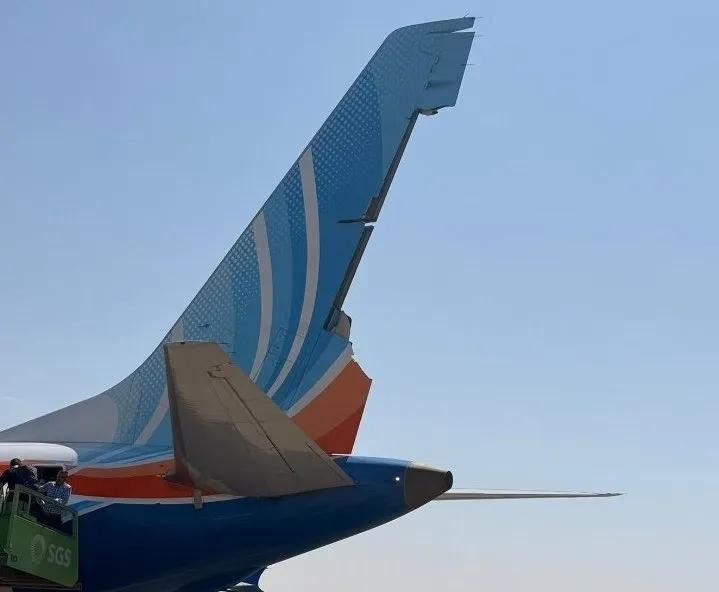
Flydubai flight FZ1073, a Boeing 737 MAX 8 bound for Tel Aviv, dropped about 15,000 feet over northern Saudi Arabia on 30 September 2026. Photos taken after it landed at Tabuk appear to show part of its rudder missing. This article covers what is known about the descent and the engineering that may explain the damage.
What we know about the descent
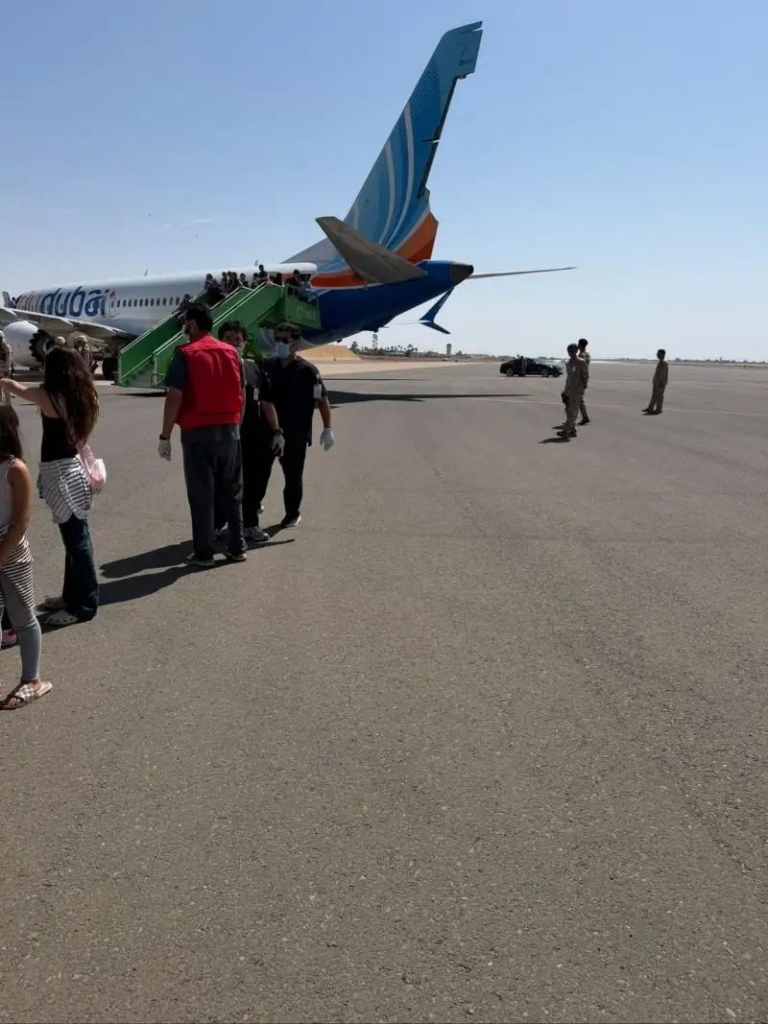
Flightradar24 data shows the transponder switching to 7700 at 05:31 UTC and to hijack code 7500 at 05:38 UTC, according to Migflug’s reporting. Tabuk air traffic control received a distress call at 05:44 GMT, and the jet landed safely around 06:45 GMT.
The figures for the dive vary by source:
- One report says the jet fell 18,400 feet in just under two minutes and exceeded its maximum operating speed by nearly 100 knots.
- An OSINT analyst claims more than 14,000 feet in 37 seconds, with a peak descent rate near 31,000 feet per minute. x
None of this has been confirmed by flight data recorder analysis, so treat these numbers as preliminary.
What the investigation says so far
Israel’s Prime Minister said a co-pilot was arrested after allegedly stabbing the other pilot and trying to crash the aircraft. Reports say two off-duty pilots, helped by cabin crew and passengers, entered the cockpit and overpowered him. Flydubai has said only that the flight had an incident and that all passengers are safe. The cause of the descent will be established by investigators.
Why overspeed is dangerous
Every airliner has speed limits, VMO (maximum operating speed) and MMO (maximum operating Mach). For the 737 family these are roughly 340 knots and Mach 0.82, but check the flight crew manual for exact figures.
There are two reasons a steep descent from 34,000 ft pushes an aircraft past them:
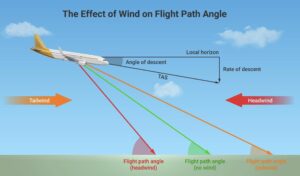
- Air gets denser as you descend. At the same true airspeed, indicated airspeed rises, so the aircraft can exceed VMO even if Mach does not increase.
- Loads grow with the square of speed. Dynamic pressure is half the air density times speed squared, so 100 knots over the limit puts far higher loads on every surface than normal flight.
Certification includes a safety margin above VMO, and the aircraft is tested at higher dive speeds. But those margins assume a controlled, intentional manoeuvre, not a prolonged nose-down dive with possibly conflicting control inputs.
Why the rudder may have been damaged
The cause is not confirmed. One aviation-security expert cited by Israeli media said the damage was probably caused by the rapid manoeuvre, not an external object. Here are the mechanisms engineers will look at.
1. Control surface flutter. Flutter is a self-reinforcing vibration where aerodynamic forces, structural flexibility and the surface’s mass interact. Above a critical speed, small oscillations grow instead of dying out. Rudders are common flutter candidates because they hinge on a long, flexible trailing edge. One analyst says flutter during the extreme overspeed may have been enough to cause the rudder failure. Airlines and manufacturers design in a flutter margin above dive speed. Worn hinges, actuator free play or a weakened structure can erode that margin.
2. Aerodynamic overload from rudder inputs. Rudder authority is deliberately limited at high speed because full deflection produces huge side loads on the tail. If either pilot applied large or abrupt rudder inputs, the load could exceed design limits. Whether that happened here is speculation. Commenters have suggested it, but nothing is confirmed.
3. Pull-out and gust loads. Recovering from a steep dive adds load factor on top of the speed load. Combined, these can exceed the design envelope for control surfaces and for the horizontal and vertical stabiliser.
4. Composite structure behaviour. Modern rudders are typically bonded composite honeycomb panels, which are light but sensitive to disbonding and fatigue. Air Transat Flight 961 in 2001 lost its rudder in flight because of a structural failure, and the investigation found the manufacturer’s inspection procedure for the composite rudder was inadequate. That was a different aircraft and a different cause, but it shows rudder structure is a known area of concern.
A related precedent is American Airlines Flight 587 in 2001, where aggressive rudder inputs overloaded the vertical stabiliser. That is why investigators will also check the fin and its attachment fittings here.
What happens to the aircraft next
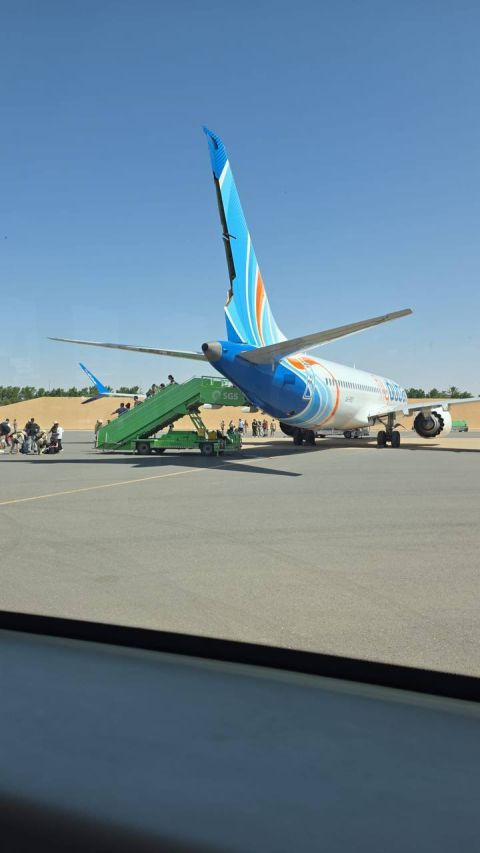
After an overspeed event, maintenance manuals require detailed inspections before an aircraft flies again. These typically include:
- Downloading flight data and checking recorded speeds and g-loads against limits
- Inspecting the rudder, vertical and horizontal stabilisers, and attachment fittings
- Checking actuators, hinges and flight control cables
- Assessing wings, flaps, doors and landing gear for load damage
Investigators will also try to locate any rudder parts that separated in flight, since the fracture surfaces can show whether it was flutter, overload or something else.
Frequently asked questions
How far did the flydubai 737 MAX fall?
About 15,000 feet according to most reports, though estimates range from 14,000 to 18,400 feet depending on the source.
Why did the rudder break?
Not confirmed. The leading theory is aerodynamic overload or flutter during overspeed, not an external strike.
Is this a Boeing 737 MAX design problem?
There is no evidence of that. The reported circumstances (a deliberate or uncontrolled dive well beyond speed limits) are outside normal operations for any airliner.
This article will be updated as official information is released.