On Sunday, 1 November 2026, a Bombardier Learjet 60 crashed into a neighbourhood in Greenacres, near West Palm Beach, Florida, killing all nine people on board. One person on the ground was injured. Eleven days on, the NTSB investigation has produced some of the most important physical evidence yet: pieces of the tail found miles from the crater, and a recovered cockpit voice recorder. Here is a clear, fact-checked summary of what is confirmed, what is still unknown, and what to watch for next.

Quick facts: Learjet 60 crash, Greenacres, Florida
- Date: 1 November 2026 (Sunday afternoon)
- Aircraft: Bombardier Learjet 60, about 22 years old
- Route: Austin-Bergstrom International Airport (Texas) to the Bahamas
- Location: Greenacres, Palm Beach County, Florida, near Military Trail and 10th Avenue North
- Occupants: 9 on board, all fatal; 1 injured on the ground
- Investigating agency: NTSB (case ERA27MA026)
- Probable cause: Not yet determined
What happened: the final minutes of the flight
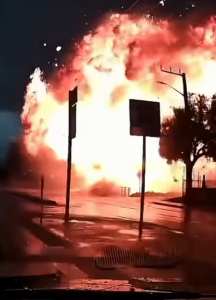
According to the NTSB’s early briefings, the jet was more than two hours into its flight when the crew told air traffic control they were in light clear ice and moderate turbulence at 35,000 feet and asked to climb. The crew later reported precipitation and was cleared to 37,000 feet. Soon after, the aircraft entered a rapid, uncontrolled descent. FLYING Magazine reported flight data showing descent rates beyond 32,000 feet per minute before impact. The jet hit the ground in a residential and commercial area, caused a fireball and left a deep crater. Roughly 600 nearby residents were displaced in the aftermath.
Key finding: the left elevator separated before impact
The biggest development so far came from NTSB Board Member Tom Chapman. Investigators recovered most of the Learjet 60’s left elevator in three pieces, between roughly 1.3 and 3.8 miles from the crash site. The elevator is the movable surface on the tail that controls pitch.
What this tells us:
- Parts left the aircraft before impact. Finding tail components miles away confirms the jet was breaking up in the air, at least in part.
- Cause and effect is not established. Chapman said investigators do not yet know whether losing the elevator triggered the loss of control or whether it was torn off by the forces of the dive. Air Data News notes the NTSB has not said the elevator loss caused the initial upset.
- Outside experts urge caution. Aviation safety expert Jeff Guzzetti told the Associated Press the pieces were more likely a byproduct of the dive than its cause, since they landed within a few miles of the crater, suggesting they came off closer to the ground (NBC News).
The NTSB’s own wording is the safest guide here: the elevator is described as very significant evidence, but not yet an explanation.
Wreckage recovered so far
Per the NTSB’s 9 November update, investigators have identified components from both wings, both engines, the flight deck, the vertical stabiliser, the horizontal stabiliser, the left elevator, aileron sections and several flap track assemblies. Some parts have gone to NTSB laboratories in Washington, D.C., and the remaining wreckage is being moved to a secure location for detailed examination. On-scene work, including excavation of the impact crater, is now complete. The NTSB has also asked members of the public who find debris to leave it untouched and email witness@ntsb.gov.
Cockpit voice recorder recovered
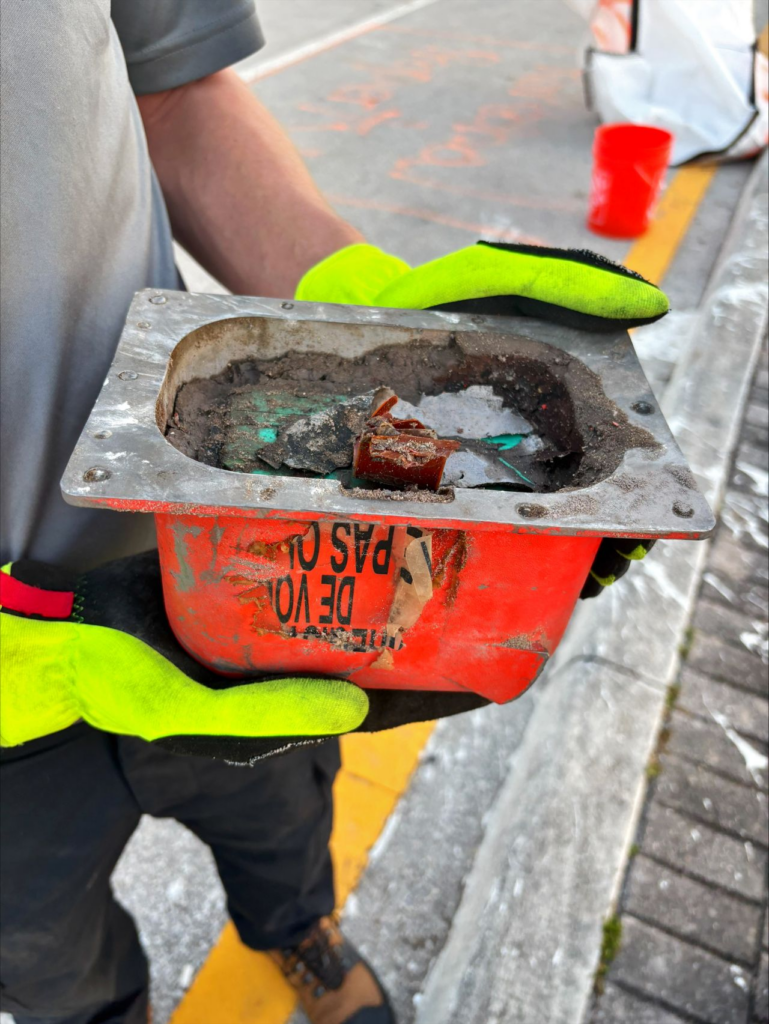
On 9 November the NTSB announced it had recovered the cockpit voice recorder (CVR) from the initial impact site. It is being evaluated at the NTSB Vehicle Recorders Laboratory in Washington. Early on, maintenance records showed a CVR had been fitted to the aircraft, but investigators did not know whether it was aboard or recoverable (Aviation Week). The NTSB has not said whether the audio is usable or what it contains, and has given no timeline for results.
A CVR matters more than usual here because the crew’s radio calls to ATC only capture part of the story. Conversations in the cockpit that were not transmitted could help explain how the crew responded to icing, turbulence and the loss of control.
What investigators are looking at
Based on the NTSB’s public statements and early reporting, the main lines of inquiry include:
- Structural failure and breakup sequence: how and when the left elevator and other tail parts separated.
- Weather: the reported clear ice and turbulence at altitude, and the precipitation noted before the upset.
- Flight control and handling: why the aircraft entered an extreme, high-speed descent.
- Maintenance history: records for the 22-year-old aircraft, including the tail and flight control system.
- Crew roles: FLYING Magazine noted that clarifying crew roles, including a limitation on the co-pilot acting as pilot in command, is part of the work.
- Recorders: the CVR now, and any flight data that can be reconstructed.
These are lines of inquiry, not conclusions. The NTSB has stated it will not speculate about cause.
What happens next
- Preliminary report: expected roughly one month after the accident, so around early December 2026. It will contain factual information only, not probable cause.
- Laboratory work: metallurgical and structural examination of the elevator and tail, plus CVR analysis.
- Final report: the NTSB typically takes 12 to 24 months for a complete investigation, and complex cases can take longer. Probable cause will be stated there.
Why this matters for the Learjet fleet and business aviation
The Learjet 60 is a long-serving super-midsize jet, and many airframes are now two decades old. Any finding about the tail structure or flight controls will draw close attention from operators, maintainers and regulators. For now there is no confirmed airworthiness finding tied to this accident, so operators should watch for NTSB safety recommendations and any FAA action. Readers interested in earlier Learjet investigations can compare this case with the 2025 Learjet 55 medevac accident in Philadelphia, where pitch trim settings and a non-functioning cockpit voice recorder were highlighted by the NTSB (Flying Magazine).
FAQ: Learjet 60 crash
How many people died? All nine people on board were killed, and one person on the ground was injured.
What caused the crash? The NTSB has not determined a cause. The left elevator separating before impact is a key piece of evidence, but investigators have not said whether it started the loss of control or resulted from it.
Was the black box found? Yes. The cockpit voice recorder was recovered on 9 November and is being analysed in Washington.
When will we know the cause? A preliminary report is expected in about a month. The final probable cause usually takes 12 to 24 months.
Sources and further reading
- NTSB investigation page, Learjet 60 crash near Greenacres, FL
- FLYING Magazine: What we know and don’t know so far
- Aviation International News: NTSB investigation begins
- Aviation Week: NTSB recovers most of the left elevator
- NBC News: Learjet piece found miles from crash site
- WPTV: NTSB recovers cockpit voice recorder
Information is preliminary and may change as the NTSB releases further findings. This article will be updated when the preliminary report is published.