Incident Overview
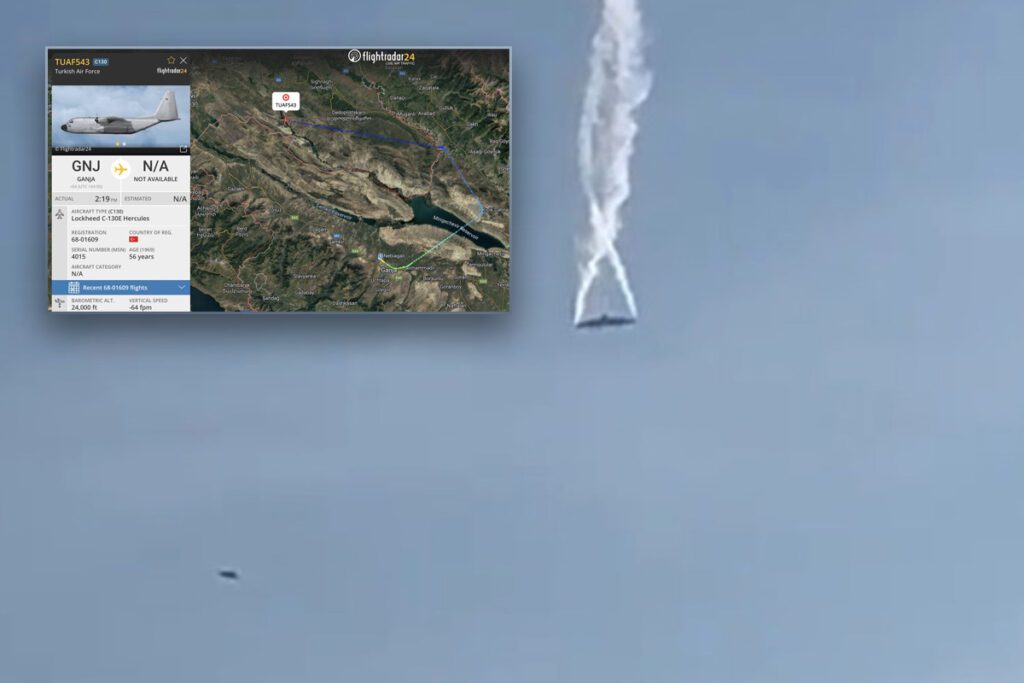
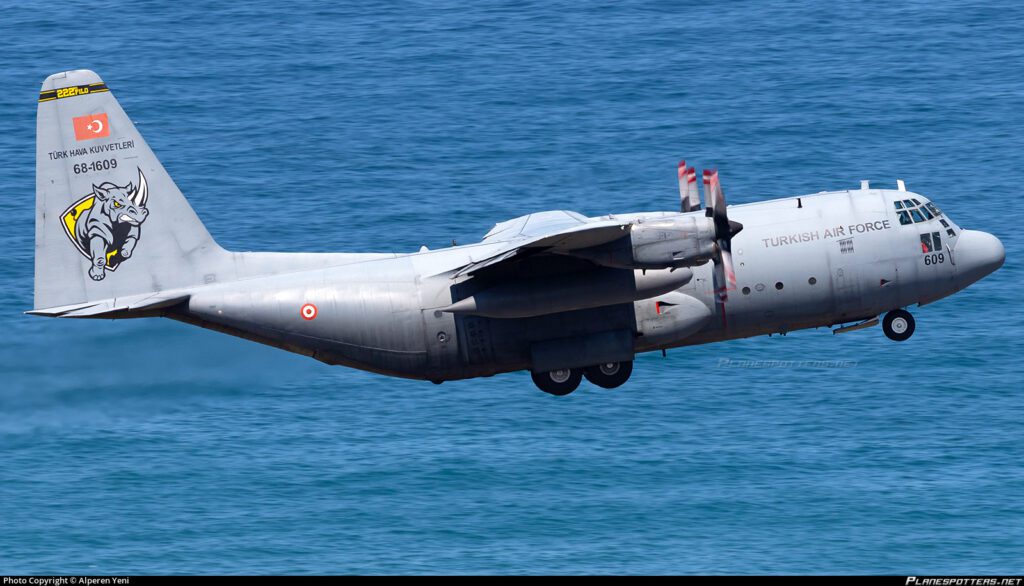
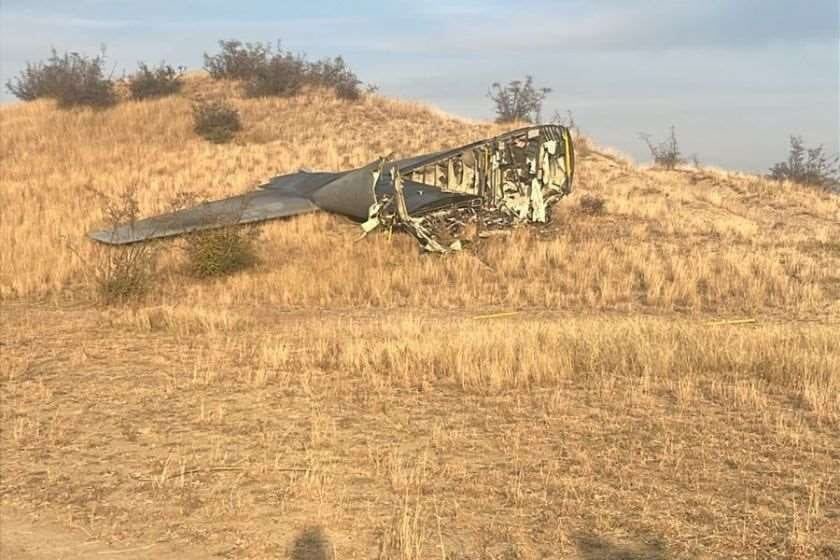
On 11 November 2025, a Turkish Air Force C-130E Hercules (tail number 68-1609) crashed near the Azerbaijan–Georgia border en route from Ganja, Azerbaijan to Merzifon Air Base in Turkey. All 20 military personnel on board were killed. The aircraft experienced a catastrophic in-flight breakup, with video footage showing the fuselage separating into multiple large sections mid-air.
The 57-year-old aircraft had originally been delivered to the Royal Saudi Air Force in 1968 and entered Turkish service in March 2010. Following the incident, Turkish authorities announced on 13 November that all C-130 aircraft in the Turkish fleet would be temporarily grounded for inspections. The black box (flight data and cockpit voice recorders) was recovered and sent to Turkey for analysis.
While the investigation is ongoing and it remains too early to determine the definitive cause, the dramatic mid-air breakup has raised questions about structural integrity, particularly given the aircraft’s age and service history.
Timeline & Flight Path
- Departure: Ganja International Airport (GNJ), Azerbaijan at approximately 10:19 UTC
- Flight callsign: TUAF543
- Destination: Merzifon Air Base, Turkey
- Maximum altitude: Approximately 24,000 feet (7,315 meters)
- Last tracked position: Contact was lost approximately 27 minutes after the aircraft entered Georgian airspace
- Notable: No distress signal was issued before the breakup
- Crash location: Near Sighnaghi municipality in Georgia, approximately 5 kilometers from the Azerbaijan border
- Occupants: 20 Turkish military personnel, including maintenance technicians for F-16 jets and spare parts
Investigators from Turkey, Georgia, and Azerbaijan are examining the wreckage. The black box has been sent to Ankara for detailed analysis.
Structural Failure Hypothesis
Understanding the Centre-Wing Box (CWB)
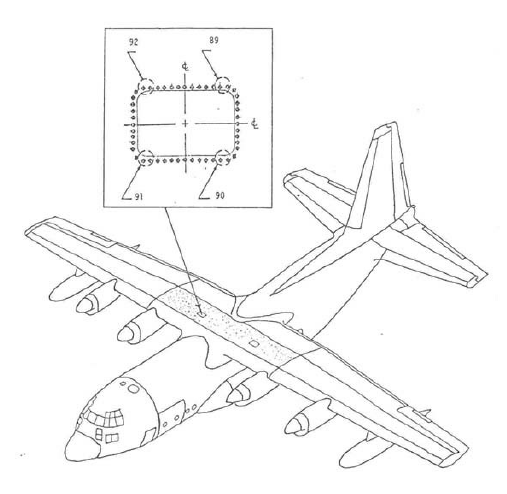
The centre-wing box is a critical structural component in the C-130 that connects the fuselage to the wing spars. It bears significant loads from:
- Both wings and their fuel tanks
- Four turboprop engines
- Landing gear attachment points
- Flight loads including bending, shear, and torsion forces
This highly stressed component is particularly vulnerable to fatigue—the gradual formation and growth of cracks under repeated loading cycles. For older aircraft with extensive service histories, fatigue becomes an increasingly critical safety concern.
Historical Precedents
The C-130 fleet has experienced structural failures in the past:
Notable case: On 17 June 2002, C-130A registration N130HP (“Tanker 130”) suffered a catastrophic centre-wing box failure while fighting wildfires. The failure caused both wings to fold upward and separate from the fuselage, resulting in a fatal crash. Post-accident investigation revealed extensive fatigue cracking in the centre-wing box.
Following incidents like these, major operators—particularly the US Air Force—launched extensive centre-wing box replacement programs. These programs, conducted at facilities like Robins Air Force Base in Georgia, were initiated after inspections revealed cracks appearing earlier than expected in aging C-130 airframes.
Relevance to This Incident
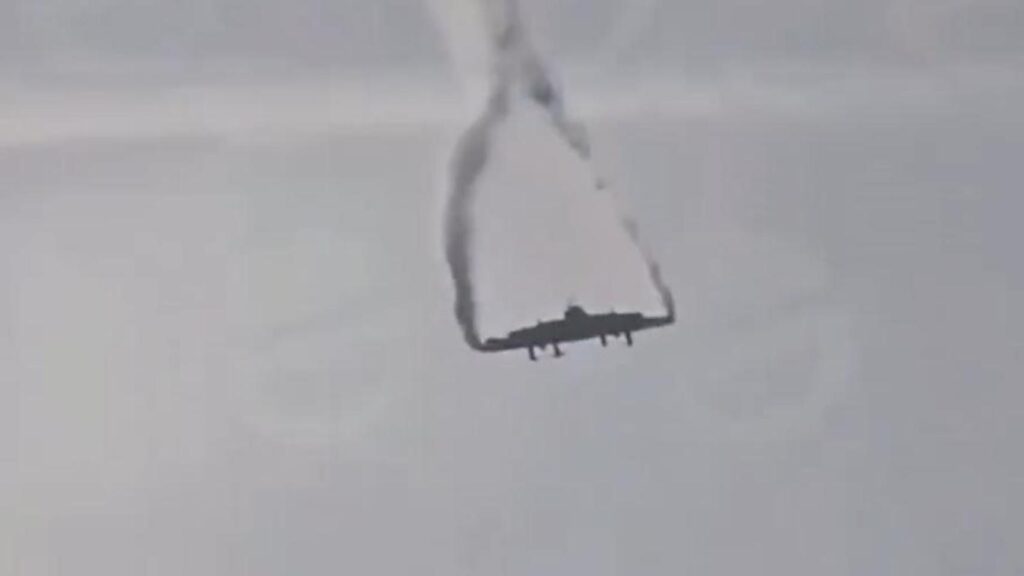
Several factors make structural failure a leading hypothesis:
- Visual evidence: Video footage shows the aircraft breaking apart in flight, with the forward fuselage, centre section, and tail separating
- Aircraft age: At 57 years old, this was one of the oldest C-130s in active military service
- Service history: Originally built in 1968 for Saudi Arabia, later transferred to Turkey in 2010
- Failure mode: The rapid, catastrophic nature of the breakup is consistent with sudden structural failure
- Lack of warning: No distress signal suggests the failure was sudden and overwhelming
If a centre-wing box failure occurred, the sequence would be extremely rapid: structural separation leading to immediate loss of wing attachment, followed by aerodynamic forces tearing the aircraft apart—all within seconds, giving the crew no time to react or communicate.
Key Investigation Elements
Flight Data & Cockpit Voice Recorders
The recovered black boxes will reveal:
- Precise altitude, airspeed, and heading data
- Engine and propeller parameters
- Control surface positions
- Cockpit communications and alarms
- Any anomalies or warnings before the breakup
Investigators will look for: sudden changes in flight parameters, structural alarms, unusual vibrations, or control surface deflections that might indicate what initiated the breakup.
Wreckage Examination
Critical forensic analysis will focus on:
- Fracture surfaces: Examining break points for signs of fatigue (progressive cracking) versus overload (sudden failure)
- Crack patterns: Looking for telltale fatigue markers near rivet holes, welds, and structural joints
- Corrosion: Assessing whether environmental degradation contributed to structural weakness
- Material condition: Evaluating overall structural integrity of critical components
Maintenance & Modification History
Key questions include:
- Was the centre-wing box ever inspected under enhanced programs?
- Had any cracks been identified and repaired or deferred?
- What was the aircraft’s total flight hour and cycle history?
- Were there any modifications or structural repairs in its service life?
- What maintenance was performed when the aircraft transferred from Saudi Arabia to Turkey?
Cargo & Loading
Improper loading can impose unexpected stresses:
- Weight distribution and centre-of-gravity position
- Cargo securement (loose cargo can shift during flight)
- Whether the aircraft was carrying unusual or heavy loads
- Dynamic loading from turbulence or maneuvers
Alternative Scenarios
While structural fatigue is a leading hypothesis, investigators must also consider:
- External damage (though no reports suggest hostile action)
- Engine or propeller failure causing asymmetric loads
- Severe turbulence or weather phenomena
- Bird strike
- Other mechanical failures
Implications for Legacy Transport Fleets
Fleet Management Challenges
This incident highlights critical challenges facing operators of aging military transport aircraft:
Economic pressures: The cost of maintaining legacy fleets continues to rise as aircraft age. Centre-wing box replacement kits alone cost approximately $6.7 million per aircraft, not including installation labor.
Operational demands: Military transport fleets often face high utilization rates, with frequent missions that accumulate flight hours and landing cycles rapidly—accelerating fatigue damage.
Inspection burden: As aircraft age, inspection requirements become more frequent and time-consuming, reducing operational availability.
Safety vs. Budget Trade-offs
Militaries worldwide face difficult decisions:
- Continue with legacy aircraft: Lower acquisition costs but higher maintenance expenses and increasing safety risks
- Modernize: Expensive structural modifications that extend service life but consume significant budget
- Replace: Purchase new aircraft with modern safety features but at substantial capital expense
The Turkish decision to temporarily ground its entire C-130 fleet demonstrates the serious nature of these concerns and reflects appropriate caution while investigators determine the cause.
Broader Aviation Context
Aging Military Fleets Worldwide
Many air forces operate aging transport aircraft:
- The average C-130H in US service is over 30 years old
- Some nations operate even older variants (C-130A/B/E models)
- Budget constraints often delay fleet replacement programs
Lessons for Aviation Professionals
This incident reinforces several critical principles:
- Structural life limits are real: High-cycle fatigue cannot be ignored
- Inspection regimes must evolve: Older aircraft require increasingly rigorous monitoring
- Maintenance records are crucial: Complete documentation of repairs, modifications, and findings is essential
- Safety margins shrink with age: Operating parameters that were safe when an aircraft was new may become marginal after decades of service
Conclusion
The crash of Turkish Air Force C-130 68-1609 represents a tragic loss of 20 military personnel and serves as a stark reminder of the challenges associated with operating aging aircraft. While the investigation continues, the apparent mid-air structural failure, combined with the aircraft’s 57-year service life, points toward potential fatigue-related structural issues as a leading hypothesis.
The incident will likely accelerate discussions within military aviation circles about fleet modernization, structural life management, and the true cost of maintaining legacy aircraft beyond their original design life. For the Turkish Air Force and other operators of aging C-130s worldwide, the results of this investigation will be critically important in shaping future fleet management and safety decisions.
As investigators analyze the recovered flight recorders and examine the wreckage, the aviation community awaits findings that will help prevent similar tragedies and inform best practices for managing aging transport fleets in an era of tight defense budgets and operational demands.
By Aeropeep Team
If you enjoy our work, please consider making a small donation—it helps us stay independent and keep delivering quality aviation content. 💙
👉 Donate
Thank you for being part of the Aeropeep journey!