What Happened
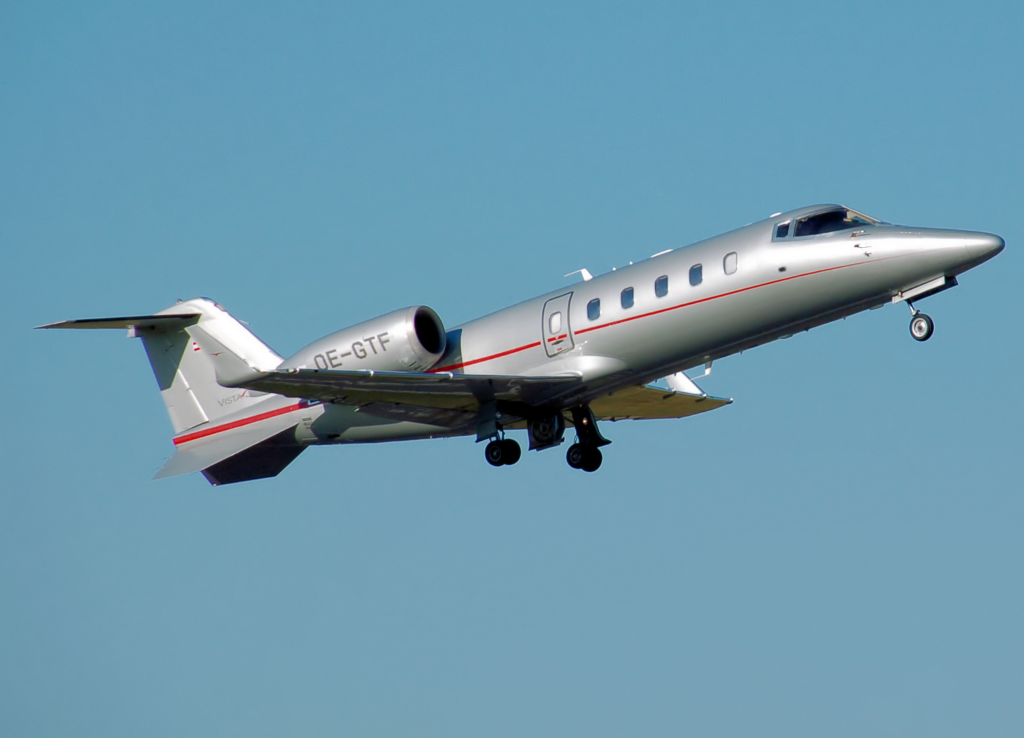
A Learjet 60 that tracking and registry data identify as N722BD crashed along Military Trail near Greenacres, Florida, around 12:50 p.m. on Sunday, November 1, 2026. All nine people aboard were killed, according to Transportation Secretary Sean Duffy. The crash is being reported around the world today because of the time difference.
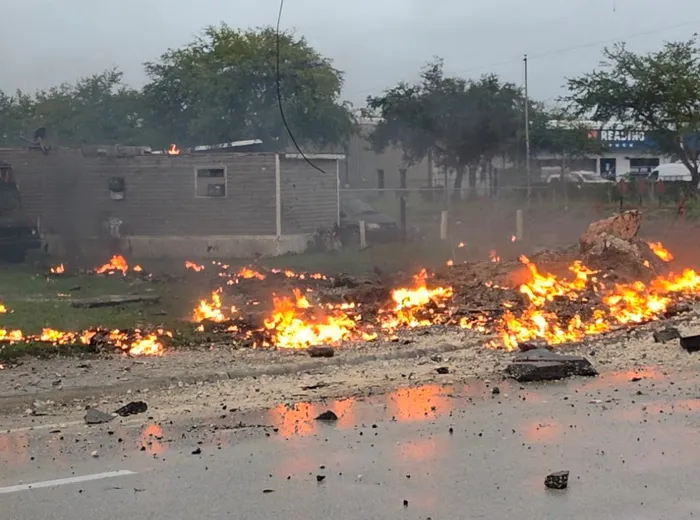
The FAA says the jet left Austin-Bergstrom International Airport in Texas bound for North Eleuthera Airport in the Bahamas. It never made it. Video from nearby cars captured the aircraft plunging from the sky, striking the ground near the road and exploding.
Florida Governor Ron DeSantis called it a “cataclysmic plane crash” and said the jet looked like a missile going down and left a big crater by the roadside. There were no immediate reports of anyone on the ground being injured or killed.

Key Facts at a Glance
- Aircraft: Learjet 60, registration N722BD
- Date and time: Sunday, November 1, 2026, around 12:50 p.m. local time
- Location: Military Trail area near Greenacres, Palm Beach County, Florida
- Route: Austin-Bergstrom International (Texas) to North Eleuthera (Bahamas)
- Fatalities: All nine people on board
- Investigating: NTSB, supported by the FAA
- Cause: Not yet determined
The Final Minutes of the Flight
Video courtesy – gregdeeweather Instagram page
The most striking part of this accident is how fast it unfolded. The pilot radioed that the aircraft was descending at 10,000 feet per minute, then reported an overspeed condition with a descent rate of 20,000 feet per minute, before a final acknowledgment. Flight tracking data indicated the aircraft dropped 27,000 feet within a single minute before signals cut off completely.
Pilots reported turbulence, icing and precipitation before the crash. After encountering bad weather and asking to climb, the pilot declared an emergency as the aircraft began losing altitude at an alarming rate. Weather data showed the jet had passed through a strong storm cell shortly before the rapid descent began. Heavy rain was falling across the region that day. Live updates: 9 dead in Palm Beach County Learjet 60 crash +3
It’s important to be clear about what we don’t know. The air traffic control recording captures what the crew said, but it does not establish what caused the rapid descent. ibtimes
Why Icing and Convective Weather Matter
Early reports mention icing and turbulence, so it’s worth explaining why aviation professionals pay close attention to them. This is general background, not a finding about this accident.
Airframe icing. Supercooled droplets freeze on wings, tail surfaces and engine inlets. Ice disturbs the smooth airflow over a wing, which raises stall speed and cuts lift. Aircraft use anti-ice and de-ice systems to manage this, but they have limits.
Probe and sensor icing. Pitot tubes and static ports feed airspeed and altitude data to the flight instruments and flight control computers. Blockage or contamination can produce unreliable indications, and in the worst cases pilots can be misled about what the aircraft is really doing.
Thunderstorm turbulence. Strong updrafts and downdrafts inside convective cells can throw an aircraft around severely. At high altitude, where the margin between stall speed and maximum operating speed is narrow, a large upset can quickly become a high-speed dive or a stall.
High-altitude upset. One aviation safety expert, Steve Arroyo, said icing and turbulence could have been factors and may have caused the plane to stall while cruising at 34,000 feet. That is expert opinion at this stage, not a conclusion. The reported overspeed call is a detail investigators will want to reconcile with any stall scenario using the flight data and cockpit recordings.
Investigators will look at all of these possibilities, along with aircraft systems, maintenance history, crew actions and the weather the flight actually encountered.
About the Learjet 60
The Learjet 60 is a mid-size business jet. The type was certified by the FAA in January 1993 and is powered by two Pratt & Whitney Canada PW305A turbofans. It has been a popular choice for corporate and charter operators for decades thanks to its speed and range.
Some reports describe this as the worst incident involving a Learjet 60 on record. The type has had accidents before. For example, the 2008 Learjet 60 crash in South Carolina was attributed by the NTSB to tire bursts during take-off and the captain’s decision to abort at high speed. That accident had a completely different cause, which is a reminder that every investigation stands on its own evidence.
Sunday’s crash is the second deadliest in the US this year in NTSB records, according to CNN, after a June skydiving plane crash in Butler, Missouri, that killed 12.
Impact on the Greenacres Community
The effect on residents has been significant. Palm Beach County authorities evacuated about 600 people from a nearby mobile home community while federal officials investigated. The site is being treated as a crime scene during the investigation, and about 600 residents were expected to move to two shelters. Hundreds remained displaced as the NTSB prepared its briefing.
One resident told reporters he was about 500 feet from the impact and found it terrifying. Another said he felt the aircraft pass over his home moments before the crash. The Diocese of Palm Beach announced a memorial Mass for the nine victims.
Officials have not yet released the identities of the victims or said how many were passengers and how many were crew.
How the NTSB Investigation Will Work
The NTSB leads the investigation with FAA support. It has launched a “go-team”, which is the group of investigators who travel to an accident site, and planned a media briefing in West Palm Beach on Monday.
For an accident like this, investigators typically work through several streams in parallel:
- Wreckage and impact evidence. The crater and debris field help establish the aircraft’s attitude, speed and configuration at impact, and whether it was intact in flight.
- Flight data and recorders. Whatever recorded data survives, including any cockpit voice recording, will be critical for the final minutes.
- Air traffic control data. Radar tracks and the radio recordings will be matched against the aircraft’s actual flight path.
- Weather analysis. Investigators will reconstruct the icing, turbulence and storm conditions along the route.
- Aircraft and maintenance records. The anti-ice systems, air data systems, flight controls and engines will all be reviewed.
- Operations and human factors. This covers crew training, experience, decision-making and the operational context of the flight.
On timing, the NTSB typically releases a preliminary report within about 30 days of a crash, with a final report on the probable cause taking a year or more. Anyone looking for a definitive answer in the next few days will be disappointed. Early statements are partial, and speculation, including from experts, often changes once data is recovered.
What Aviation Professionals Are Watching
For engineers and maintenance professionals, a few questions stand out:
- Which anti-ice and de-ice systems were operating, and did they perform as designed?
- Were the air data sources reliable throughout the descent?
- What does the recovered data say about the transition from the climb request to the loss of control?
- Was this a structural, systems or aerodynamic event, or an upset triggered by weather?
None of these can be answered yet. What can be said is that the crew recognised a serious emergency and reported it, and the speed of events left very little time.
Frequently Asked Questions
What caused the Learjet 60 crash in Florida?
The cause has not been determined. The NTSB is leading the investigation. Pilots reported icing, turbulence and precipitation before the crash, but officials have not said whether weather caused or contributed to it.
How many people died?
All nine people on board were killed. No injuries on the ground had been reported at the time of the early reports.
Where was the plane going?
It left Austin-Bergstrom International Airport in Texas and was heading to North Eleuthera Airport in the Bahamas.
When will we know the cause?
A preliminary report usually arrives within about 30 days. The final probable-cause report typically takes a year or more.
Bottom Line
The Greenacres Learjet 60 crash is a tragic accident that claimed nine lives and displaced hundreds of residents. The radio calls, the extreme descent rates and the reported weather paint a dramatic picture, but they don’t yet explain why the aircraft was lost. Until the NTSB publishes its findings, the responsible approach is to rely on confirmed facts and treat early theories as just that.
This is a developing story, and details may change as authorities release more information.
By Aeropeep Team