Ground engineers uncover grim discovery in wheel well of aircraft at KLIA2, reviving grim questions about wheel-well stowaways on long-haul flights
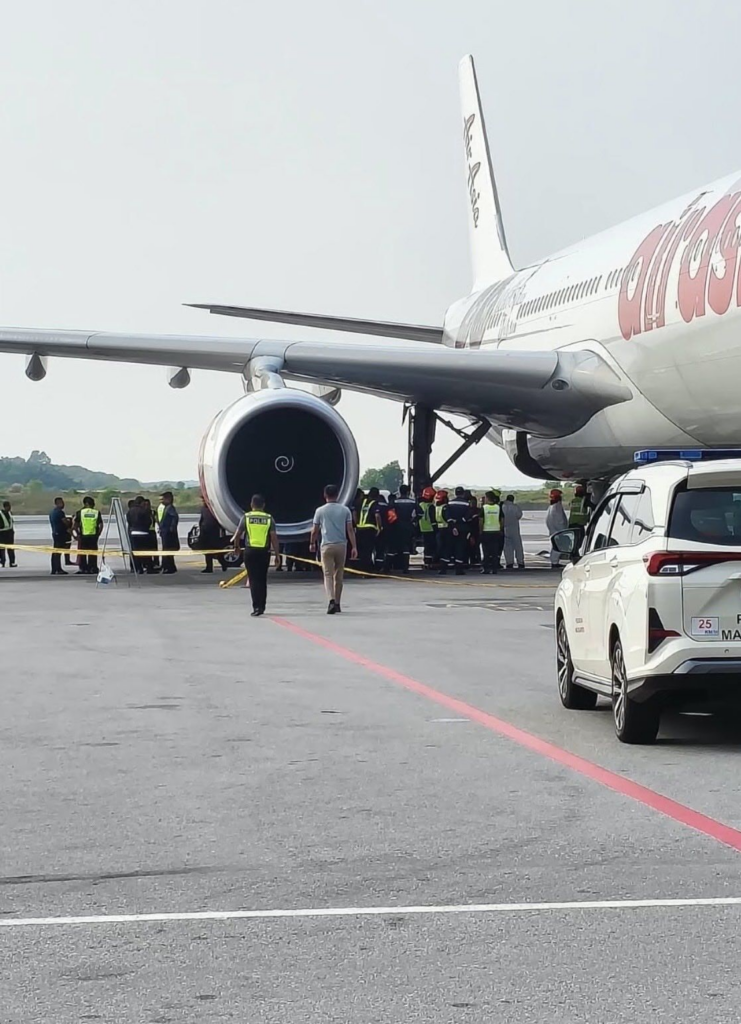
KUALA LUMPUR — A decomposed body was discovered inside the wheel well of an aircraft shortly after it landed at Kuala Lumpur International Airport Terminal 2 (klia2) on the morning of Thursday, August 27, 2026, in a case that is now being investigated by Malaysian police as a possible wheel-well stowaway incident.
The aircraft had just arrived from Tokyo, Japan, touching down at around 6:30 a.m. local time. Roughly 25 minutes later, at about 6:55 a.m., an engineering staff member assigned to inspect and open the landing gear compartment as part of routine post-flight servicing noticed an unmistakably foul smell coming from the wheel well. When the technician opened the compartment to investigate, he found a body lodged inside.
How the Discovery Was Made
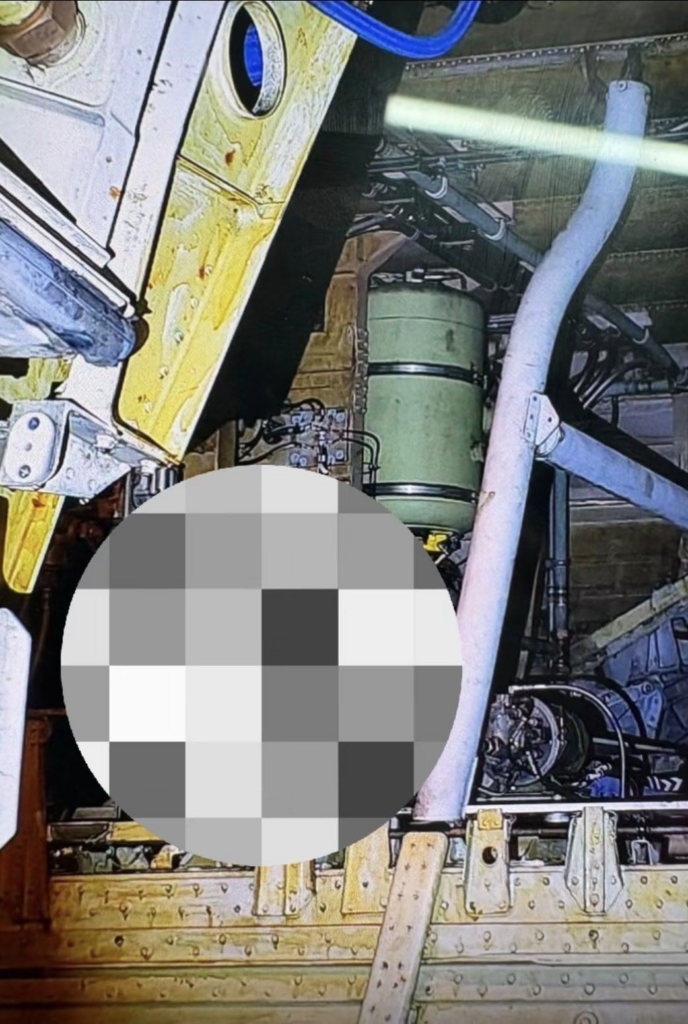
According to accounts relayed by Malaysian outlets including The Star, New Straits Times, and Bernama, the engineering staff member did not immediately open the compartment upon noticing the odor. Instead, it was only after further inspection — reportedly around half an hour after the smell was first detected — that the compartment was opened and the body was found. The body was discovered lying face down inside the tyre storage area on the right-hand side of the aircraft’s landing gear bay.
The technician immediately alerted the klia2 police station operations room. Police say the first formal report of the incident reached the Airport Operations Control Centre at approximately 7:00 a.m., a timeline confirmed by KLIA’s officer in charge of police district (OCPD), Assistant Commissioner Ravi Munusamy.
A forensics unit from the Royal Malaysia Police (PDRM) was subsequently dispatched to the scene to begin examining the remains and gathering evidence.
What Is Known About the Victim
As of the most recent reporting, the identity of the deceased has not been established. Malaysian police say no identification documents were found on or near the body, leaving investigators to rely on forensic and pathological methods to determine who the victim was.
Preliminary observations from officials suggest the following details:
- The victim is believed to have been a young adult, likely in their 20s.
- The body was in a visibly decomposed state, consistent with having been dead for more than 72 hours before discovery.
- The individual was dressed in a white shirt and jeans.
- The victim’s gender had not been officially confirmed in the earliest police statements, though several outlets, including The Star, later described the victim as a man based on subsequent assessment.
The body was subsequently transported to Serdang Hospital, where a post-mortem examination was expected to be carried out to establish an official cause of death and to assist in identifying the individual.
The Route and the Aircraft
The flight in question had arrived at klia2 from Tokyo. Klia2 functions as the dedicated low-cost carrier terminal at Kuala Lumpur International Airport and is the exclusive Malaysian hub for AirAsia and its long-haul affiliate, AirAsia X, which operates scheduled widebody Airbus A330 services between Kuala Lumpur and several Japanese cities, including Tokyo. While Malaysian police statements and initial local media reports have so far focused on the timeline and forensic details of the discovery rather than confirming the specific flight number or operating carrier, the arrival at klia2 from Tokyo places the aircraft within AirAsia X’s established route network on that corridor. Readers should treat the identification of the operating airline as reported in secondary coverage rather than as an item explicitly confirmed in official police statements at this stage of the investigation.
Wheel wells, also known as landing gear bays, are unpressurized and unheated compartments located beneath an aircraft’s fuselage or wings. They house the retractable landing gear assemblies and become sealed off from the rest of the aircraft once the gear is retracted after takeoff.
A Recurring, Rare, and Dangerous Phenomenon
Cases of individuals stowing away in aircraft wheel wells are not new, though they remain exceedingly rare and are almost always fatal. Aviation and medical experts have long pointed to the extreme physiological hazards of concealing oneself in these compartments during flight.
At cruising altitude — typically between 30,000 and 40,000 feet — wheel wells are exposed to extraordinarily low temperatures, often falling to around minus 50 degrees Celsius (minus 58 degrees Fahrenheit), combined with a severe lack of oxygen due to the thin atmosphere at that altitude. Stowaways who attempt this method of clandestine travel typically face a combination of hypoxia (oxygen deprivation) and hypothermia within the first portion of a flight, often losing consciousness well before the aircraft reaches its destination.
Previous documented cases illustrate the pattern. In 2010, a mechanic servicing a Delta Air Lines Boeing 777 discovered the body of an apparent stowaway inside the plane’s landing gear compartment after the aircraft completed a flight from New York to Narita International Airport near Tokyo. Investigators at the time noted the man showed no visible injuries apart from frostbite, and hypothermia was considered the likely cause of death; officials also observed that entry into the wheel well would only have been possible before departure, since the compartment seals shut once the landing gear retracts in flight. A similar case occurred in 2007, when a stowaway’s body was found in the nose gear wheel well of a United Airlines flight that had arrived in San Francisco from Shanghai.
Aviation safety researchers who have studied wheel-well stowaway cases note that a small number of individuals have survived such journeys, a phenomenon attributed to a rare physiological response in which extreme cold slows the body’s metabolism enough to stave off the worst effects of oxygen deprivation, similar in principle to induced hypothermia used in some medical procedures. However, survival is the exception rather than the rule, and multiple studies of the practice have found that the overwhelming majority of attempts end in death, either during the flight itself or, in some cases, from falls after the landing gear is lowered for arrival.
Investigation Underway
Malaysian authorities have not yet released a determination on how the individual came to be inside the wheel well, whether the incident originated in Tokyo, or what specific security lapses, if any, may have allowed unauthorized access to the aircraft prior to departure. Police have indicated that investigations into both the identity of the deceased and the exact cause and circumstances of death are ongoing.
Airport perimeter and tarmac security is typically the responsibility of the departure airport and the ground handling agents contracted to service a given aircraft, meaning Japanese aviation and airport security authorities are likely to play a central role in any investigation into how the person may have gained access to the aircraft before it left Tokyo. It remains unclear at this stage whether Japanese authorities have opened a parallel investigation.
Malaysian police have not released the victim’s name, nationality, or any further biographical information, citing the ongoing forensic and identification process. Investigators are expected to rely on methods such as fingerprint analysis, dental records, and DNA testing to establish the individual’s identity, particularly given the advanced state of decomposition described by officials at the scene.
Broader Context
The incident has drawn renewed public attention in Malaysia and the wider region to the vulnerabilities in airport perimeter security that can, in isolated cases, allow individuals to access aircraft undercarriages before departure. While major international airports maintain multiple layers of physical security, including perimeter fencing, surveillance systems, and restricted-access controls around aircraft parked at gates, aviation security specialists note that gaps can still occasionally be exploited, particularly during the operational windows when ground crews are actively servicing aircraft before departure.
For now, the case remains under active investigation by the Royal Malaysia Police, with the post-mortem examination at Serdang Hospital expected to provide further clarity on the cause of death and, potentially, clues that could assist in identifying the victim. Authorities have appealed for patience as forensic work continues, noting that establishing identity in cases involving significant decomposition and an absence of documentation can take considerable time.
This is a developing story, and further details are expected to emerge as Malaysian police complete their investigation and as post-mortem results become available.
This article is based on Malaysian media reporting as of August 28, 2026. Details including the victim’s identity, nationality, exact cause of death, and the specific circumstances of how the individual accessed the aircraft remain unconfirmed and may be updated as the investigation progresses.