A Sunday Afternoon Turned Catastrophic
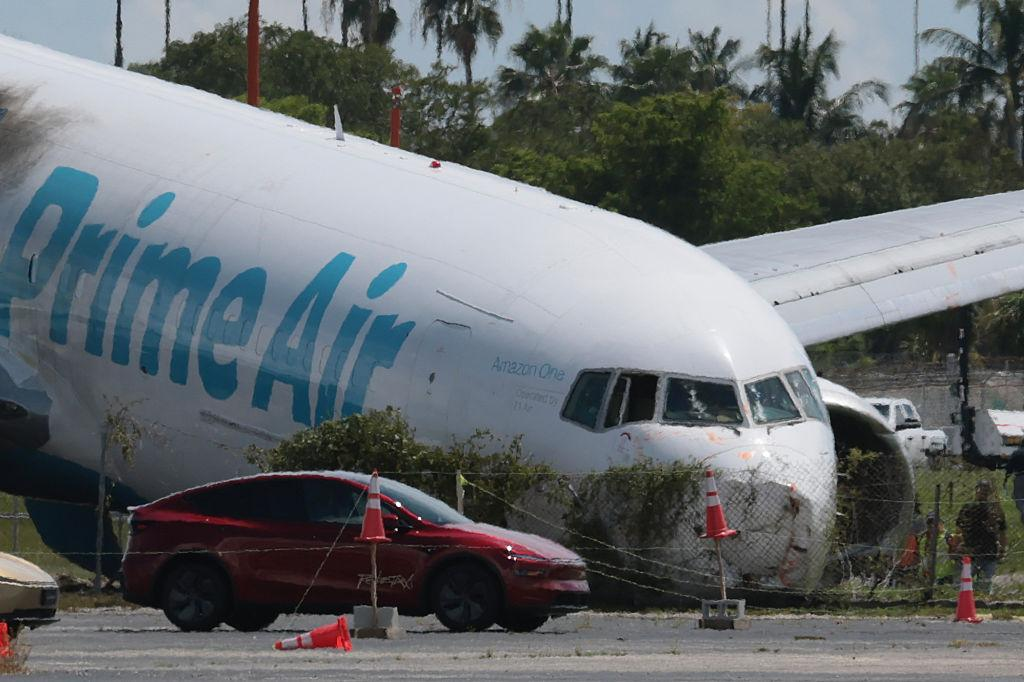
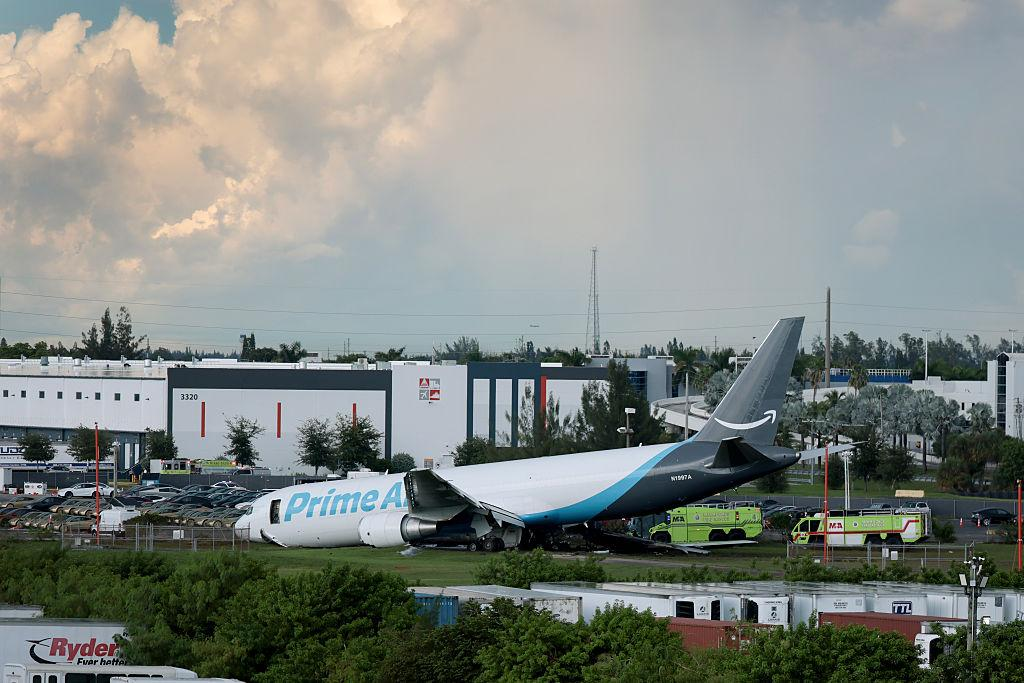
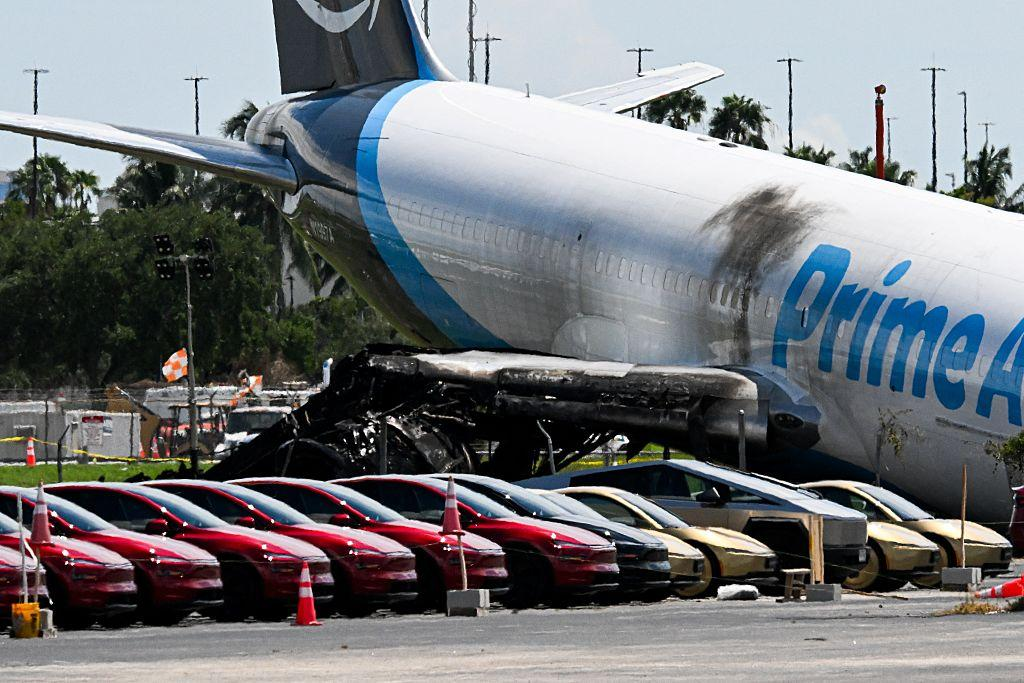
On the afternoon of September 6, 2026, a routine cargo landing at Miami International Airport turned into one of the deadliest runway accidents on US soil in recent memory. Prime Air Flight 7598, a Boeing 767-300 freighter operated by 21 Air LLC on behalf of Amazon, overran the airport’s diagonal Runway 30 while landing shortly before 2:00 p.m. local time. The aircraft failed to stop within the paved surface, crossed a service road, struck ground vehicles, tore through airport fencing, and came to rest against a roadway outside airport property, its nose down and tail tilted skyward.
By the time emergency crews brought the situation under control, five people were dead and five more injured, three of them in critical condition. It was, in the words of National Transportation Safety Board Chairwoman Jennifer Homendy, a scene of “utter devastation.”
How the Accident Unfolded
Flight 7598 had already logged a long day before the crash. According to NTSB officials, the 767 had flown from Cincinnati to Miami, then on to Luis Muñoz Marín International Airport in San Juan, Puerto Rico, before turning around for the return leg to Miami — its third sector of the day. Only two crew members, a captain and first officer, were aboard; there were no other occupants on the freighter itself.
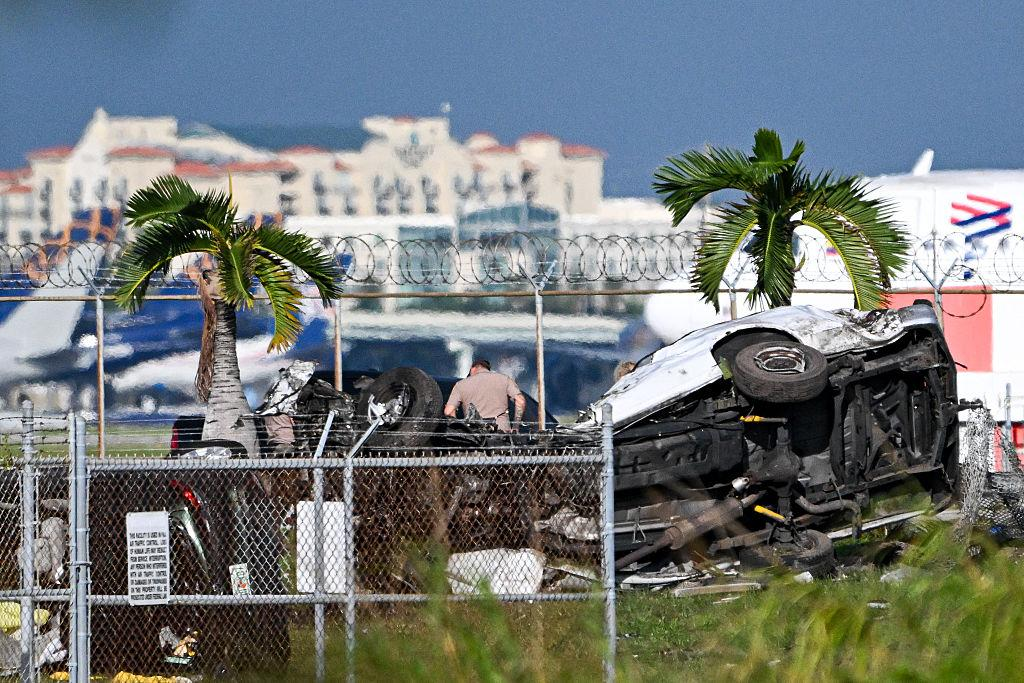
As the aircraft touched down on Runway 30, it failed to stop in the available distance and ran off the end of the pavement. In its path lay a service road running along the airport perimeter. The jet struck a 2012 Ford Econoline van carrying seven employees of Professional Ocean Service Corporation, a contractor that cleans aircraft for airlines operating out of Miami. The van was parked inside the airport boundary. The aircraft continued beyond the airport fence line and struck an SUV that was outside airport property on a public road, before finally coming to a stop.
Miami-Dade Fire Rescue Chief Ray Jadallah described the response as encountering “a very complex situation” when crews arrived: the aircraft was on fire and emitting heavy smoke, both pilots were trapped inside the fuselage, and at least two people in the ground vehicles were pinned and unable to escape on their own. More than 60 rescue units and roughly 200 personnel responded to the scene. Crews also had to manage an ongoing fuel leak from the aircraft well into the evening.
Despite the fire and the violence of the impact, investigators noted that the 767’s fuselage remained largely intact, coming to rest on its belly rather than breaking apart.
The Human Toll
Homendy confirmed that the fatalities and injuries were concentrated among the occupants of the two ground vehicles rather than the flight crew, though both pilots were injured and required extraction from the wreckage. As of the most recent briefings, names of the deceased and injured had not been publicly released, and it remained unclear how many of the seven people in the cleaning company’s van were among the dead. Three of the five injured survivors were listed in critical condition at area trauma centers; the other two were taken to local hospitals for evaluation.
Disruption at One of the Busiest Airports in the Country
The crash forced an immediate, roughly three-hour ground stop and the closure of all four of Miami International Airport’s runways. Two runways reopened later that evening, but the disruption cascaded through the following day. By midday Monday, inbound flights to Miami were arriving with average delays exceeding five hours, and more than 230 flights had been cancelled in the preceding 24 hours, according to flight-tracking data. US Transportation Secretary Sean Duffy issued a public advisory warning travelers of continued delays and cancellations in the crash’s aftermath.
The Aircraft: A 32-Year-Old Freighter With a Complicated History
Much of the early scrutiny has centered on the airframe itself. The accident aircraft was a Boeing 767-300, manufactured in 1994 — making it roughly 32 years old at the time of the crash. According to flight-tracking service Flightradar24, the jet spent more than two decades flying passengers for a series of airlines before being converted into a dedicated freighter in 2015. Aviation analyst Mary Schiavo noted that the aircraft’s history includes periods of foreign ownership, among them a Russian operator, a detail Homendy indicated the NTSB intends to examine closely as part of its review of the plane’s maintenance record.
The 767 was operating for 21 Air LLC, a Miami-based cargo carrier that has long flown freighters under contract for Amazon’s Prime Air network, itself a mix of contracted operators rather than Amazon-owned and -crewed aircraft. In a statement following the crash, 21 Air confirmed it was cooperating fully with the NTSB, the FAA, and local authorities, and it opened a toll-free family assistance line for relatives of the crew and others affected by the accident.
What Investigators Are Looking At
The NTSB dispatched a full “go-team” to Miami within hours of the crash, and Homendy has held multiple public briefings since. At this early stage, she has been careful to stress that the agency’s on-scene priority is documentation and the collection of perishable evidence — things like skid marks, wreckage positioning, and component condition that can degrade or be disturbed — rather than establishing a probable cause. Homendy said investigators walked the entire accident path, noting tire marks running from the paved runway into the grass, the wreckage of the navigational equipment the aircraft struck, torn perimeter fencing, and the crushed vehicles at the end of the debris field. She said the investigative team expects to remain on site for at least a week before shifting into the longer analytical phase of the inquiry, which typically stretches over many months.
Key questions the investigation will likely probe include: the aircraft’s approach speed and configuration on landing, the condition of its braking and thrust-reverser systems, weather and runway conditions at the time, the crew’s actions during the landing rollout, and — given the age and ownership history of the airframe — its maintenance records. Cockpit voice and flight data recorders recovered from the aircraft are expected to be central to reconstructing the final seconds of the flight.
Homendy also placed the accident within a broader statistical context, noting that the NTSB has investigated more than 3,000 runway excursions since 2008. Runway overruns — where an aircraft fails to stop within the length of the runway during landing or a rejected takeoff — remain one of the most persistent categories of transport-category accidents worldwide, and are typically driven by some combination of excess speed, a contaminated or short runway, delayed braking action, or a combination of these factors. What makes the Miami accident unusual, and especially severe, is not the excursion itself but the fact that the aircraft’s overrun path intersected with occupied ground vehicles both inside and outside the airport perimeter — a reminder that runway safety areas and the land immediately beyond them are not always clear of activity.
Broader Context for Prime Air and Cargo Operations
The accident lands at a moment when e-commerce-driven air cargo demand has kept older widebody freighters — many of them converted ex-passenger jets well into their third decade of service — in heavy rotation across US hub airports. Converted freighters like the 767 involved in this accident form the backbone of overnight cargo networks supporting retailers, and questions about the long-term airworthiness oversight of aging, multiply-owned airframes are likely to recur as the NTSB’s investigation proceeds. The findings, expected in a preliminary report within weeks and a full final report over the coming months, will shape scrutiny not only of 21 Air’s operations but of the wider practice of contracting decades-old freighter conversions to meet cargo capacity needs.
For now, Miami International Airport has returned to near-normal operations, but the investigation into what caused one of Prime Air’s 767s to run out of runway — and into the ground infrastructure and vehicle placement along the extended runway path — is only just beginning.
This article is based on preliminary reporting and initial NTSB briefings. Details, including the cause of the accident and the identities of victims, remain under investigation and subject to change as the inquiry progresses.