🔍 Overview of the Incident
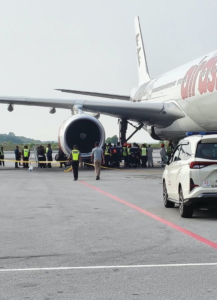
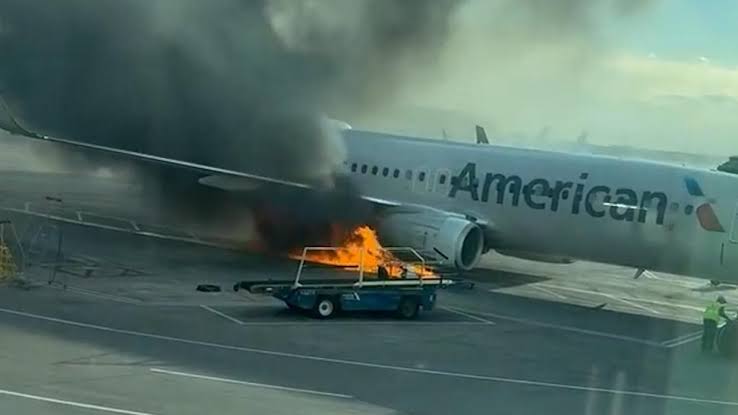
In March 2025, an American Airlines Boeing 737-800 encountered a serious safety event at Denver International Airport. The aircraft, scheduled for a routine domestic flight, was forced to abort operations shortly after pushback due to a significant fuel leak from its right engine.
The National Transportation Safety Board (NTSB) has since released its preliminary report, shedding light on the root cause of the incident, raising questions about airline maintenance procedures, and exposing potential vulnerabilities in evacuation protocols.
🔧 Root Cause: Misaligned Lockwire and Faulty Installation
According to the NTSB’s findings, the fuel leak originated from an improperly installed fuel fitting. Specifically, the lockwire—a critical safety feature designed to secure engine components—was misaligned during recent maintenance, allowing fuel to escape under pressure.
This maintenance error on the Boeing 737-800’s CFM56 engine underscores the importance of quality assurance in post-service checks. Engine performance appeared normal until fuel vapors were detected near the aircraft’s right wing, prompting immediate action from the flight crew and ground staff.
🛬 Emergency Evacuation: Jammed Slide and Injuries
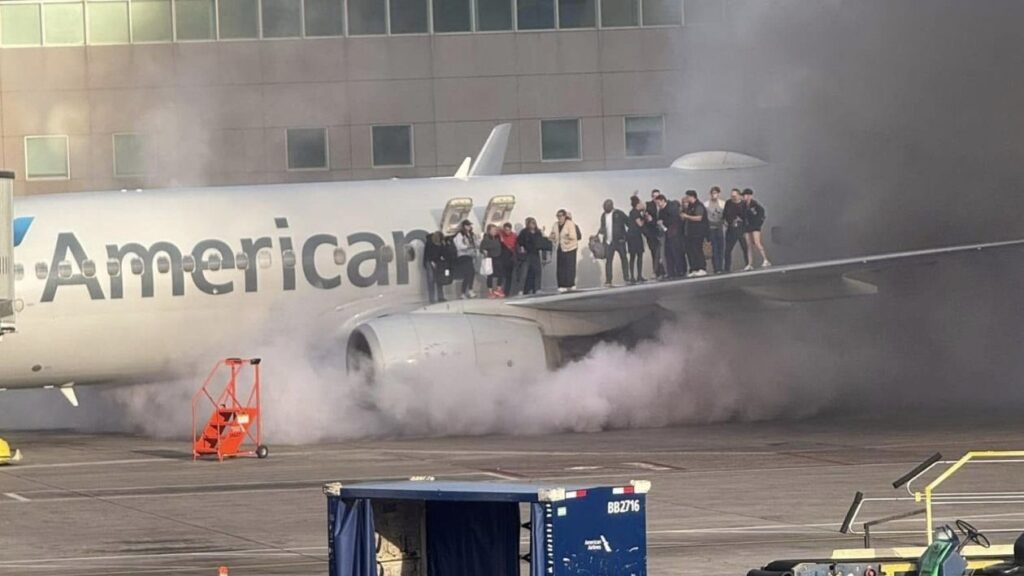
Thanks to the quick response of the crew, all 178 passengers and crew members were evacuated safely. However, the evacuation process wasn’t flawless:
- One of the emergency slides jammed during deployment, slowing evacuation from the rear door.
- Twelve occupants sustained minor injuries, primarily sprains and abrasions, due to the urgency and mechanical failure during the evacuation.
This event brought renewed focus on the reliability of emergency evacuation systems and crew readiness under pressure.
✈️ Implications for Aviation Safety and Maintenance
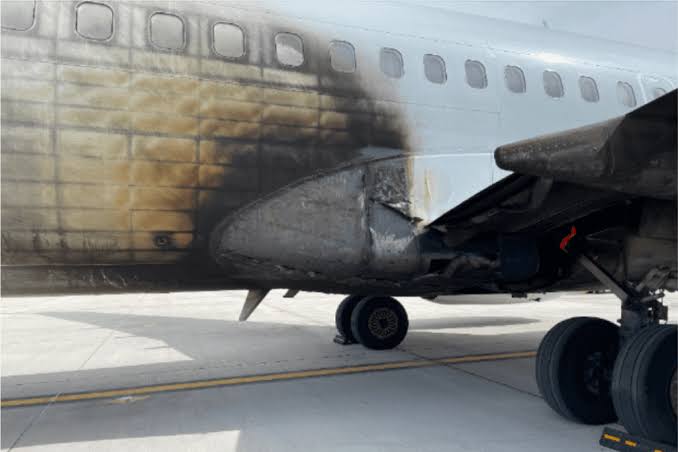
This incident highlights multiple safety concerns in commercial aviation:
- Maintenance Oversight: The improperly secured fuel fitting shows how even minor oversights can lead to major safety risks.
- Slide Deployment Reliability: A single jammed emergency slide can compromise the efficiency of an entire evacuation.
- Training and Response: Despite the technical failures, the crew’s prompt actions and adherence to emergency protocols prevented a worse outcome.
The FAA is now working closely with airlines to reinforce maintenance standards, particularly around engine component inspections and lockwire procedures.
📊 What This Means for Passengers and Airlines
While commercial aviation remains one of the safest modes of transportation, this incident is a clear reminder that ongoing diligence in aircraft maintenance is non-negotiable.
For airlines like American Airlines, it’s a wake-up call to:
- Reassess vendor and in-house maintenance protocols
- Implement additional checks for fuel system integrity
- Regularly test emergency equipment, including slide deployment mechanisms
📰 Conclusion
The March 2025 American Airlines Boeing 737-800 fuel leak at Denver is not just another incident—it’s a critical case study in the interplay between human error, mechanical reliability, and procedural efficiency.
As the NTSB continues its full investigation, aviation stakeholders around the world are watching closely. The goal is clear: prevent future incidents through proactive safety management and rigorous quality assurance.
By Aeropeep Team
- Qantas A380 Retirement- Dates, Routes, Reasons and What Replaces the Superjumbo
- How a flydubai 737 MAX Lost 15,000 Feet in Under Two Minutes
- Terror at 34,000 Feet: flydubai 737 MAX Dives 15,000 Ft as Cockpit Attack Is Reported
- A350F First Flight. Payload, Range and How It Compares with the 777F
- How NFL Teams Fly: The Aircraft Engineering Behind Game Day