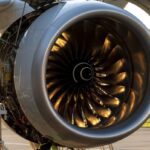
Boeing has kicked off its 2026 ecoDemonstrator campaign, and this year’s edition brings together two of the manufacturer’s most established partners — Rolls-Royce and Lufthansa — around a single aircraft that is doing double duty: it’s a flight test platform today, and a Lufthansa fleet addition tomorrow.
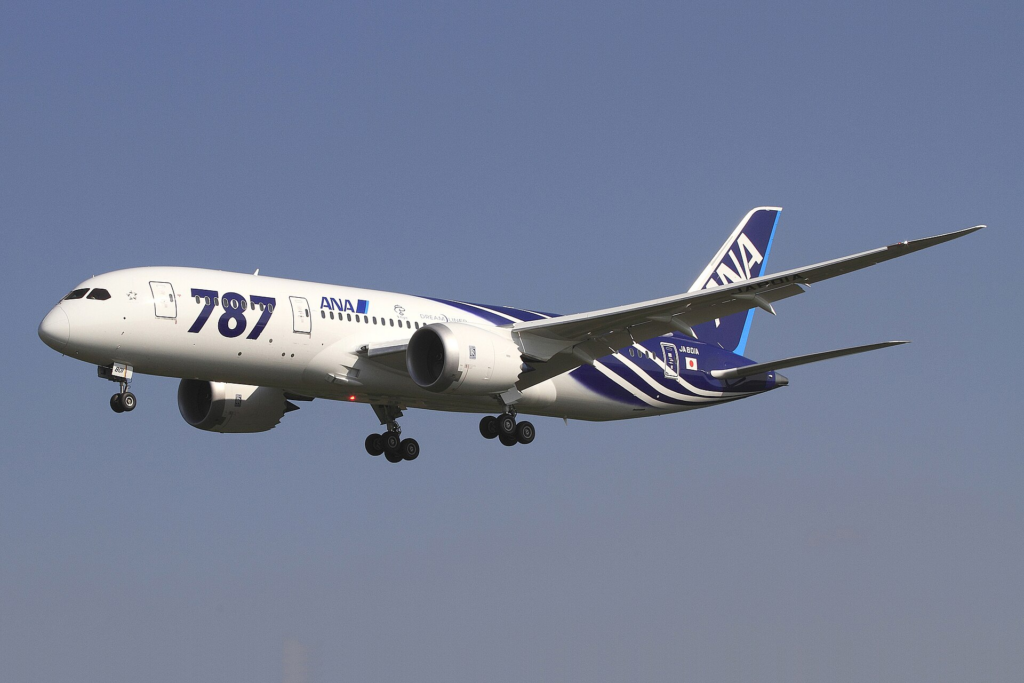
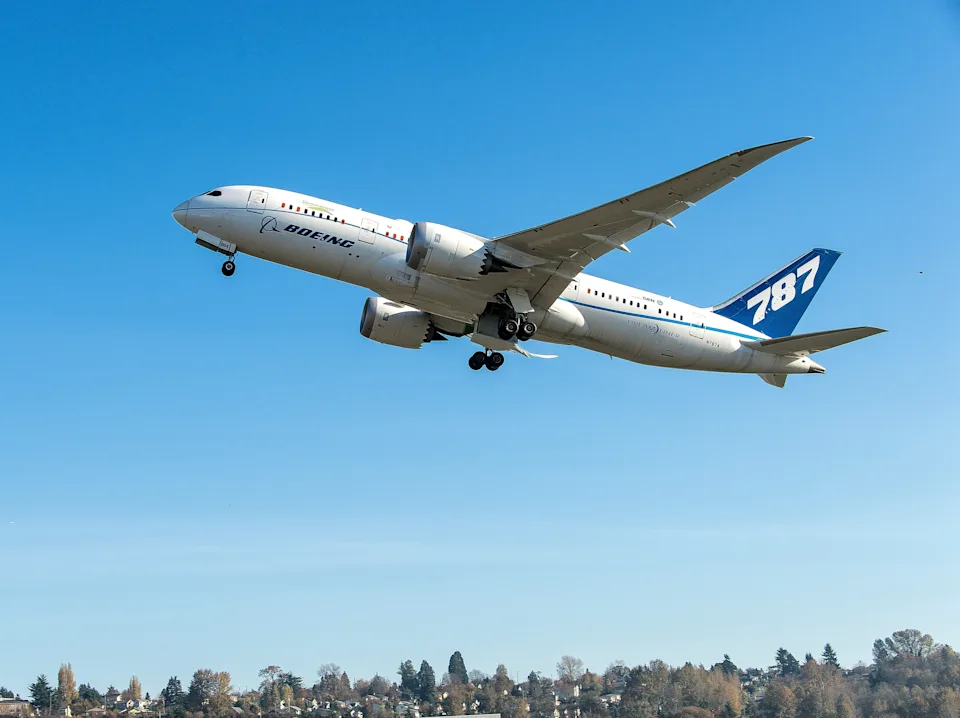
The airframe at the centre of it all is a Boeing 787-9 Dreamliner fitted with Rolls-Royce Trent 1000 engines, flying out of Boeing’s Glasgow, Montana facility through mid-August 2026 before eventually being handed over to Lufthansa. Rather than treating the delivery flight as a formality, Boeing is using the weeks beforehand to wring out data on two technologies aimed at the industry’s two biggest operational headaches: fuel burn and community noise.
Neither the airframe nor the engine choice is arbitrary. Boeing has picked a 787-9 with Trent 1000 power specifically to keep this year’s testing consistent with the inlet work Rolls-Royce has already carried out on the same engine family, so the data gathered this summer builds on a known baseline rather than starting a fresh comparison from scratch. That continuity is part of what lets a relatively short flight test window in Montana produce results engineers can act on quickly, rather than data that needs years of cross-referencing against a different platform.
A Real Delivery Aircraft Doing Real Test Work
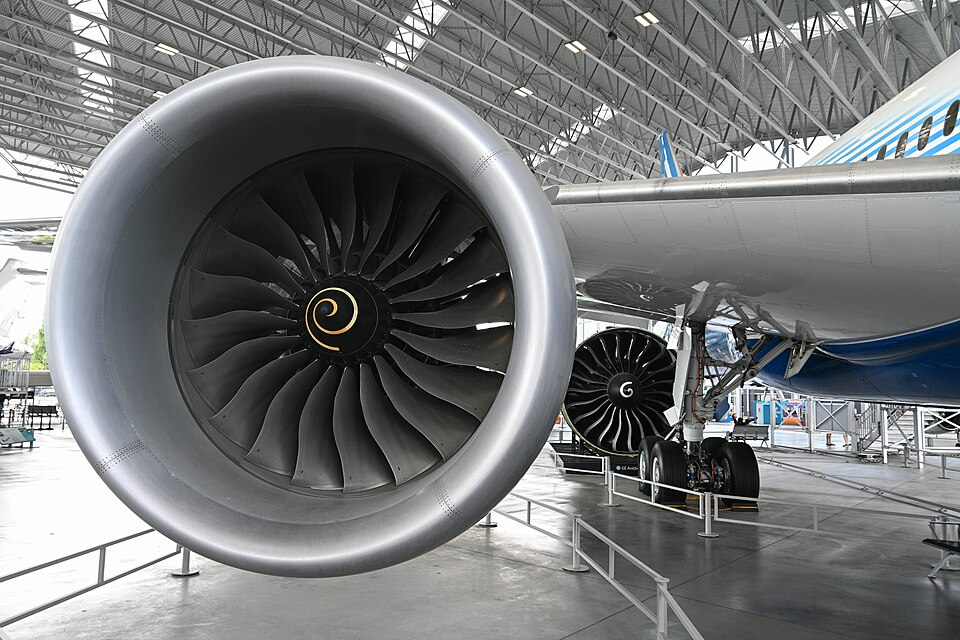
What makes this year’s program notable isn’t just the hardware — it’s the airframe itself. Since 2023, Boeing has run a parallel track within the ecoDemonstrator program called “Explorer,” which uses an aircraft that’s already committed to a customer, rather than a dedicated research airframe kept in-house indefinitely. The first Explorer was a Boeing-owned 787-10 that flew from Seattle to Tokyo, Singapore, and Bangkok to demonstrate how better-coordinated air traffic management across borders could cut fuel burn on long-haul routes. This year’s Explorer follows the same logic, but with an aircraft that will shortly be wearing Lufthansa’s livery for the rest of its service life.
That distinction matters more than it might first appear. Testing on a jet destined for revenue service means the results come from representative production hardware and real operational constraints, not a specially instrumented one-off. It also means any efficiency or noise gains validated during the campaign are, in principle, already sitting on an airframe Lufthansa will be flying commercially within months — shortening the usual gap between “demonstrated in testing” and “flying passengers.”
The Inlet: A Small Redesign With Big Implications
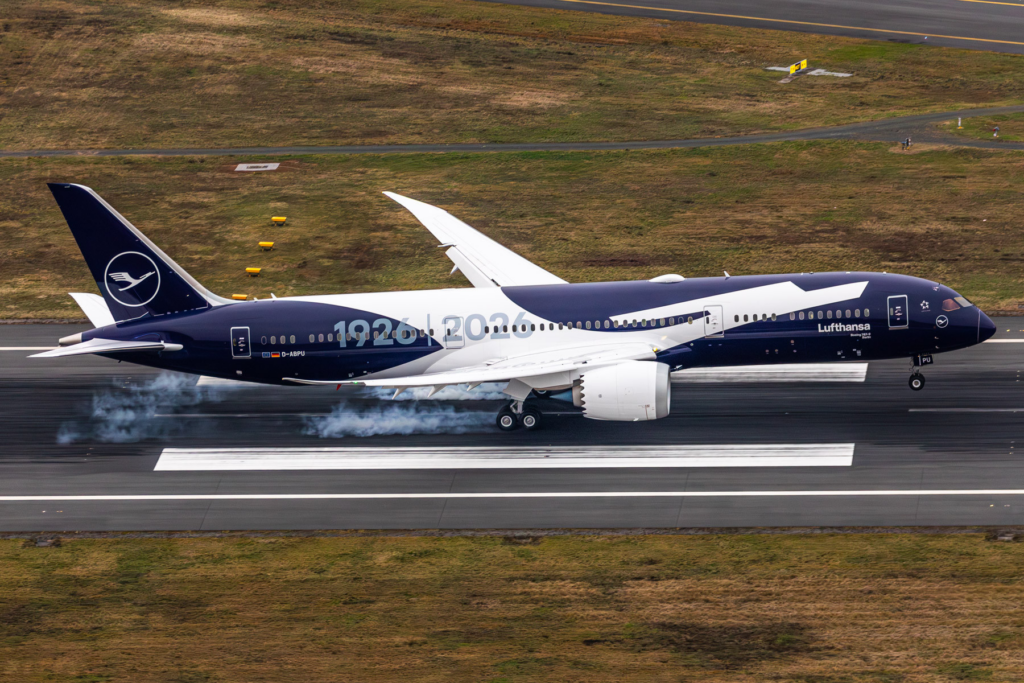
The centrepiece of the 2026 program is what Boeing is calling a next-generation engine inlet — a shortened, acoustically treated nacelle inlet designed to pair with more efficient engines on future aircraft. Two things are being traded off and, if the test goes well, both improve at once. Shortening the inlet cuts weight and aerodynamic drag, which on its own helps fuel burn. Normally that would come at the cost of noise suppression, since inlet length is one of the traditional levers engineers pull to attenuate fan and compressor noise. Boeing says the new design compensates by expanding the acoustic liner so it covers proportionally more of the shorter inlet’s surface, aiming to hold noise performance steady, or better, despite the smaller geometry.
This isn’t Rolls-Royce’s first pass at this particular problem. An earlier iteration of the inlet was tested on the ground at Rolls-Royce’s Stennis Space Center facility in Mississippi and later flown on the company’s 747 Flying Test Bed, as part of an earlier phase of the same FAA research program this year’s test falls under. In other words, the 2026 flights aren’t a first attempt at the concept — they’re a maturation step, moving a previously ground- and flight-tested inlet concept onto a production-representative 787 nacelle ahead of a decision on whether it filters into future engine and airframe designs. For engineers who’ve watched past ecoDemonstrator campaigns, that pattern should feel familiar: the program’s own winglet and vortex-generator trials from a decade ago followed a similar arc from experimental hardware to standard-fit production components.
Flight Paths That Are Calculated, Not Just Published
The second major thread in the 2026 program has nothing to do with hardware at all. Boeing is trialling modified departure and arrival procedures — described as “Intelligent Operations” flight paths — that are generated from multiple real-time and historical data sources rather than flown off a fixed, published profile. The idea is to let the aircraft’s routing adapt to conditions on a given day, rather than following the same static noise-abatement or fuel-optimised track regardless of traffic, weather, or airport configuration.
This kind of dynamic, data-driven procedure design has been building for a few ecoDemonstrator cycles now. Earlier programs have tested continuous descent approaches, reduced flap settings, and steeper glide slopes specifically to quantify their noise and fuel benefits around the airport environment, and separate ecoDemonstrator Explorer flights have already been used to validate cross-border air traffic coordination on long-haul sectors. The 2026 flight-path trials sit at the intersection of both efforts: applying algorithmic route optimisation to the kind of terminal-area procedures that most directly affect communities living under approach and departure paths.
For airlines and air navigation service providers, this is arguably the more operationally consequential half of the program, even if the inlet gets the bigger share of attention. Airport noise curfews, community complaints, and slot restrictions tied to noise footprints are a persistent constraint on schedules almost everywhere in the world. A flight-path system that can be tuned dynamically, using live data instead of a one-size-fits-all published procedure, points toward a future where noise mitigation is treated less like a fixed rule and more like a live optimisation problem — the same way fuel-efficient routing already is on the enroute portion of many flights.
Where This Fits in a 15-Year Test Program
None of this is happening in isolation. Boeing launched the ecoDemonstrator program back in 2012, and by its own count has since put more than 250 individual technologies through flight or ground testing across eleven different aircraft, spanning types from 737s and 757s to 777s and 787s. Roughly a quarter of those technologies have gone on to be adopted into products or services, about half remain in active development, and the rest were shelved after providing useful data. Past campaigns have covered ground as varied as active flow control on a 757’s vertical tail, regenerative hydrogen fuel cells for aircraft electrical power, recycled-content cabin fittings, and — memorably — the first commercial airliner flight on 100% sustainable aviation fuel in both engines, flown in partnership with FedEx in 2018.
The 2026 inlet and flight-path work specifically falls under Phase III of the FAA’s CLEEN program — Continuous Lower Energy, Emissions and Noise — a multi-year, multi-company research effort that has funded successive rounds of engine, airframe, and operational technology aimed at the same three targets the acronym spells out. Rolls-Royce’s involvement isn’t a one-off collaboration either; the two companies have been working together on quieter, more efficient inlet and nacelle concepts for roughly a decade, and this year’s flights build directly on that earlier ground and flight test data rather than starting from a blank sheet.
Why It’s Worth Watching
For an airline like Lufthansa, the appeal is fairly direct: whatever efficiency and noise improvements come out of validated testing on this specific 787-9 have a plausible path onto the rest of its 787 fleet down the line, at a time when carriers everywhere are being squeezed simultaneously on fuel costs and environmental and noise compliance. For engineers and MRO professionals, the inlet geometry is the detail worth tracking closest — a shorter, more heavily lined nacelle inlet is exactly the kind of incremental redesign that has a habit of showing up in production engine packages several years after its first ecoDemonstrator flight, much as earlier winglet and vortex-generator trials eventually did.
There’s also a broader industry signal buried in the choice to run this test at all. Boeing has repeatedly said that only a minority of ecoDemonstrator technologies make it all the way into production — historically a little over a quarter, with roughly half still working their way through further maturation and the remainder shelved after providing useful engineering data even where they didn’t pan out commercially. Framed against that track record, putting a flight-representative inlet through this year’s program is a reasonably strong indicator that Boeing and Rolls-Royce see a viable path to production for the concept, rather than treating it as a purely exploratory exercise. The same logic applies to the flight-path software: testing it on an aircraft about to enter airline service suggests both companies expect the underlying data-driven routing approach to be operationally deployable in the near term, not just a research curiosity confined to a test programme.
The flight tests are expected to continue out of Glasgow, Montana through mid-August 2026, after which the aircraft will move on to its intended role: a Lufthansa-liveried 787-9 flying passengers, carrying whatever lessons this summer’s testing manages to bank along the way. If the inlet and flight-path data hold up, the next place to look for their fingerprints won’t be another test programme — it’ll be in the nacelle geometry of a future engine and the departure charts of a busy hub airport.
By – Aeropeep Team